How to Build a Seasonal Sidewalk Inspection Plan for Freeze-Thaw Markets
Updated: Oct 23
Winter moisture expands by nine percent when it freezes inside concrete pores. This cycle turns small cracks into dangerous trip hazards as soon as the snow melts. Property managers must find these shifts before they lead to injury claims.
Schedule your seasonal sidewalk inspection plan today. Contact Precision Concrete Cutting for a free on-site assessment and protect your property from costly ADA claims.
Property owners often ignore small cracks until they become major trip hazards that cost a lot to fix. Understanding why freeze-thaw markets need a seasonal sidewalk inspection plan will help you stay ahead of the weather.
Why Freeze-Thaw Markets Need a Seasonal Sidewalk Inspection Plan
A seasonal sidewalk inspection plan is a smart schedule used to track damage from freeze-thaw cycles with checks in both late fall and early spring. By tracking how frozen soil moves concrete slabs, managers can find shifts of 1/4 inch or more before they become major liability risks for the property. Regular checks help prevent the 3,252 ADA lawsuits seen in California each year according to Precision Concrete Cutting, which keeps your walkways compliant and safe. This process includes spot checks after severe weather to ensure walkways stay safe, budgets stay stable, and owners avoid the high cost of sidewalk replacement.
Winter weather is the main cause of sidewalk damage in cold climates. When water gets into the small pores of concrete, it can cause big problems. As the weather gets cold, this water freezes and expands by about nine percent. This force is strong enough to widen tiny cracks and turn them into large gaps. By the time spring arrives, a freeze-thaw cycle can turn a small crack into a major trip hazard in just one season.
How Seasonal Cycles Create Trip Hazards
The damage often starts slow but picks up speed as the winter goes on. Water seeps into the concrete and then expands as it turns to ice. This process pushes the concrete apart and creates vertical shifts. Most of this damage stays hidden under snow and ice for months. When the thaw begins in early spring, property managers often find new hazards that were not there in the fall. These shifts can quickly exceed the 1/4-inch limit set by federal safety rules.
Deicing salts also play a role in this cycle. These salts lower the freezing point of water to keep paths clear of ice. While this helps people walk safely, it also makes the water melt and refreeze more often within the slab. Each extra cycle adds more stress to the concrete. This leads to surface flaking and deeper structural cracks that need a seasonal sidewalk inspection plan to catch early.
The Financial Risk of Neglect
Skipping these seasonal checks can lead to high costs. Federal law protects the rights of people with disabilities to have safe paths. If a sidewalk has a vertical gap of 1/4 inch or more, it is a trip hazard. These small gaps can lead to large legal claims. In 2024 alone, lawyers filed 3,252 ADA lawsuits in California. The cost of a single fine can range from $4,000 to $75,000. On average, a payout for these cases costs about $47,500.
The risk is even higher for cities and large groups. A recent payment in Davis, California, reached $18.5 million in 2025. This shows how much a city can lose if they do not keep their paths safe. Most cities put the job of sidewalk care on the property owner. This means property managers and HOA boards must act fast. They need to find and fix hazards before they lead to an injury or a lawsuit.
Setting Up Your Inspection Schedule
A good plan helps you stay ahead of the weather. You should check your paths at least three times a year to find new issues. The first check should happen in late fall to set a baseline. This helps you fix small cracks before the first freeze. The most vital check happens in the spring after the snow melts. This is when the most damage appears and when you can see what the winter did to your paths.
You should also do quick spot checks after big storms. Large floods or heavy freezes can move slabs in a few days. By staying on top of these changes, you can protect your budget and your residents. A proactive approach is always better than reacting to a crisis. It keeps your walkways safe and helps you avoid the high costs of legal trouble.
What Are the Key Elements of an Effective Seasonal Inspection Plan?
An effective seasonal sidewalk inspection plan requires clear measurement standards, a consistent inspection schedule, and digital tracking tools. The ADA defines a trip hazard as any vertical lift of 1/4 inch or more. A strong plan uses these standards consistently across every check, schedules inspections at least three times per year. And leverages GIS-based tracking to maintain a defensible record of proactive maintenance.
A seasonal sidewalk inspection plan helps you find and fix walkway risks before they lead to costly claims. The Americans with Disabilities Act (ADA) defines a trip hazard as any vertical lift of 1/4 inch or more. To stay safe and compliant, your plan needs clear rules, regular checks, and digital tracking. By following these steps, you build a strong record of care for your property.
Set Clear Measurement Standards
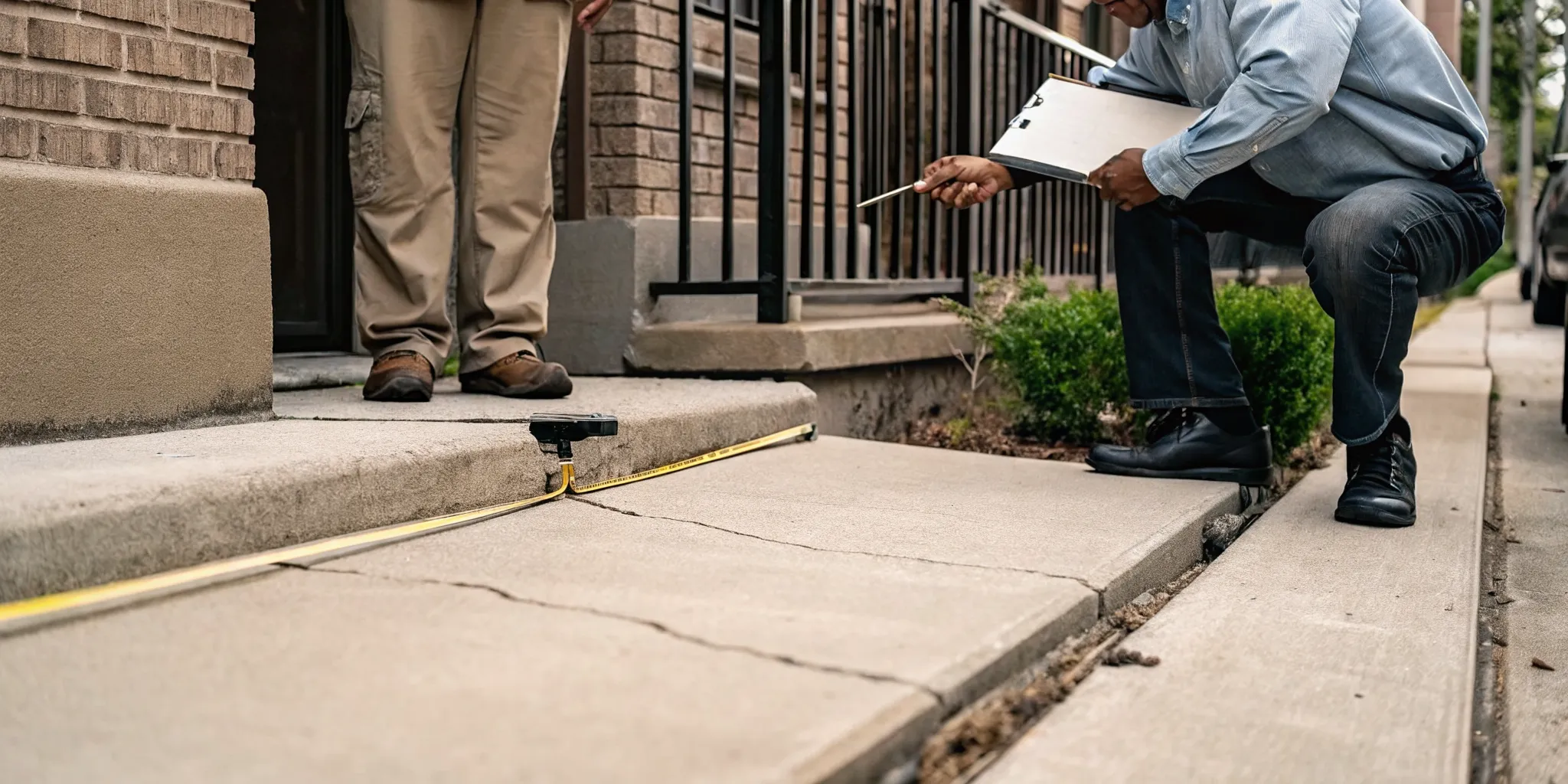
Your team must use the same rules for every check. The law is clear: any lip over 1/4 inch is a risk. When you find these gaps, you must fix them to avoid lawsuits. Many groups now use a 1:12 slope for repairs, the ramp slope standard in the ADA Standards for Accessible Design. This gentle slope ensures that all people can use your paths without help or danger.
Follow a Consistent Schedule
You need to know how often sidewalks should be inspected to catch new cracks early. Expert groups like the Intergovernmental Risk Management Agency suggest checking paths at least three times a year. Other towns use a five-year cycle to look at every slab in detail. A good seasonal plan includes a check in late fall to prep for winter and a main check in early spring after the snow melts. This timing lets you find damage from ice and salt before it grows into a major trip hazard.
Use Digital Tracking and GIS Data
Paper notes are hard to track and easy to lose. Modern plans use GPS and GIS tools to map every hazard on your site. This data shows you exactly where the problems are and how they change over time. Using digital maps helps you plan repairs and proves that you are active in keeping your site safe. A full record of each check is your best defense if a fall occurs. These tools allow for a phased repair plan that fits your budget while fixing the most dangerous spots first.
How to Schedule Sidewalk Inspections Throughout the Year
A smart seasonal schedule inspects sidewalks in late fall for a baseline, after major winter storms for spot damage. And in early spring after the thaw to catch every new trip hazard. This three-check cadence catches freeze-thaw damage at each stage and keeps your property compliant with ADA standards throughout the year.
In cold areas, water gets into small cracks and freezes. This water expands and makes those cracks much bigger. By the time spring comes, a small gap can turn into a big trip hazard. Property managers should follow a clear schedule to keep paths safe for all people.
Pre-winter baseline check
You should start your plan in late fall before the first deep freeze. This check gives you a base for how your paths look now. You can find and fix small gaps before ice and salt make them worse. This step also helps you plan your repair budget for the next year. It is much easier to manage small cracks now than to wait for them to become big problems later.
Post-thaw spring assessment
Early spring is the best time for a full sidewalk condition assessment. Once the snow melts, you can see all the new damage from the winter. Many towns see a peak in trip hazards at this time. For example, the San Francisco Public Works team uses a plan to help people find these issues early. This window is the key time to find any gap of 1/4 inch or more that may break ADA rules.
- Late fall baseline:
Walk every path to find cracks and gaps before winter starts. This helps you track changes over time.
- Winter storm checks:
Look at your paths after big storms or very cold weeks. Ice and salt can damage the surface quickly.
- Early spring review:
Do a full survey as soon as the ground thaws. This is when most new trip hazards appear.
- Summer use monitor:
Check high-traffic areas during the warm months. Ensure all paths stay smooth for people using them.
- Annual report:
Make a list of all found hazards. Use this to pick which spots need cutting or repair first.
Setting the right pace
How often you check your paths depends on your local rules and weather. Some places like Bath Borough use a five-year cycle for big reviews, but seasonal checks should happen more often. If you wait five years in a cold state, you will miss many new risks. Regular checks help you use a seasonal sidewalk inspection plan to stay ahead of damage. This keeps your site safe and lowers your risk of a lawsuit.
What Common Sidewalk Issues Are Found During Seasonal Inspections?
Freeze-thaw cycles cause three main issues found during seasonal inspections: surface scaling and spalling from water expanding inside concrete pores. Growing cracks and trip hazards that reach the ADA limit of 1/4 inch or more, and uneven slabs from frost heave that shift concrete out of position. Each issue gets worse if left through another winter cycle, making early detection essential.
A seasonal sidewalk inspection plan helps you find damage early. In most towns, you are in charge of the paths next to your land. This rule holds true even if the walk sits on city soil. Most issues start small during cold months. If you leave them alone, they grow into big risks. Finding these flaws during your sidewalk condition assessment keeps people safe and saves you money.
Surface Scaling and Spalling
Winter weather is hard on concrete. Water seeps into tiny pores in the stone. When it freezes, it expands by about 9 percent in volume. This force pushes against the surface and causes it to flake off. Deicing salts also hurt the slab. They lower the freezing point of water. This leads to more freeze-thaw cycles in a single day. Over time, these cycles turn a smooth walk into a rough, pitted surface. According to the Bureau of Transportation Statistics, this cycle is the top cause of walk damage in cold areas.
Growing Cracks and Trip Hazards
Freeze-thaw cycles can change your walks in just one season. Small hairline cracks often widen as ice forms inside them. What was a tiny line in the fall can become a major trip hazard by spring. The ADA states that any lift of 1/4 inch or more is a risk. These shifts can happen fast as the ground moves. If you do not fix these cracks, they will keep growing. Larger gaps let more water reach the base, which makes the problem worse.
Uneven Slabs and Frost Heave
Slabs that sink are another common find during spring checks. As the ground thaws, soil shifts and moves. This often causes one slab to sink while the next one stays high. Frost heave can also push whole sections of concrete out of place. Most towns report the most trip hazards in early spring. This is when the thaw shows the damage from the long winter. Checking for corner breaks at slab joints is also key. These breaks often happen when the base soil washes away because of poor drainage.
Leaving these small issues can lead to big costs later. A tiny crack lets water reach the soil beneath the slab. This water can wash away the base. Without a solid base, the heavy concrete will sink or tilt. Over many years, these small shifts turn into large, uneven steps. Fixing a trip hazard now is much cheaper than a new slab later. Following a trip hazard repair guide helps you stay ahead of these risks.
When Seasonal Inspection Reveals Trip Hazards: Your Next Steps
When a seasonal inspection identifies a trip hazard, the correct next steps are a precise measurement against the 1/4-inch ADA threshold. Verification of your local maintenance obligations, and selection of a permanent repair method. Precision concrete cutting removes 100 percent of the hazard with a 1:12 slope and ADA-compliant documentation, all completed in a single day with no disruption to pedestrians.
Finding a trip hazard after a seasonal sidewalk inspection can be a big concern. Most property owners must keep the walkways next to their building safe and clear. If your inspection shows damage, you should take steps to fix it right away. Doing so helps you avoid legal issues and keeps your site safe for everyone.
Check the Size and Spot of Each Hazard
The first step is to check how bad the damage is. You should look at the height of each lift in the concrete slabs. U.S. rules say that any lift of 1/4 inch or more is a trip hazard. You can use a sidewalk safety audit checklist to mark the exact spot of each problem. This helps you track what needs help first.
Think about where the hazard is found. A small crack in a low-traffic area might wait, but a lift near an entry must be fixed fast. You should rank repairs in spots where many people walk every day. This simple check ensures you use your repair budget where it does the most good for safety.
Know Your Local Legal Duties
Local laws often place the burden of sidewalk care on the person who owns the land. Even if the walk is on city land, you might be the one who has to pay for repairs. For example, the San Francisco Public Works department runs a program called SIRP to help people follow these codes. They check sidewalks and tell owners when they need to fix a trip hazard.
You should also check for permit rules in your area. Some cities like Minneapolis require a permit before you can start any sidewalk repair or construction work. These permits cover the walk, curbs, and even driveway ramps. Knowing these rules helps you stay in line with the law and avoid fines or delays during your project.
Choose a Fix That Lasts
Once you know what to fix, you must choose a repair method. Some people try grinding the edge of the slab. This removes about 30 percent of the hazard and lasts for three to seven years. It often leaves a rough surface that can still be a risk. Another choice is mudjacking, which tries to lift the slab. This is about 60 percent useful and lasts up to ten years, but the slab can still sink again later.
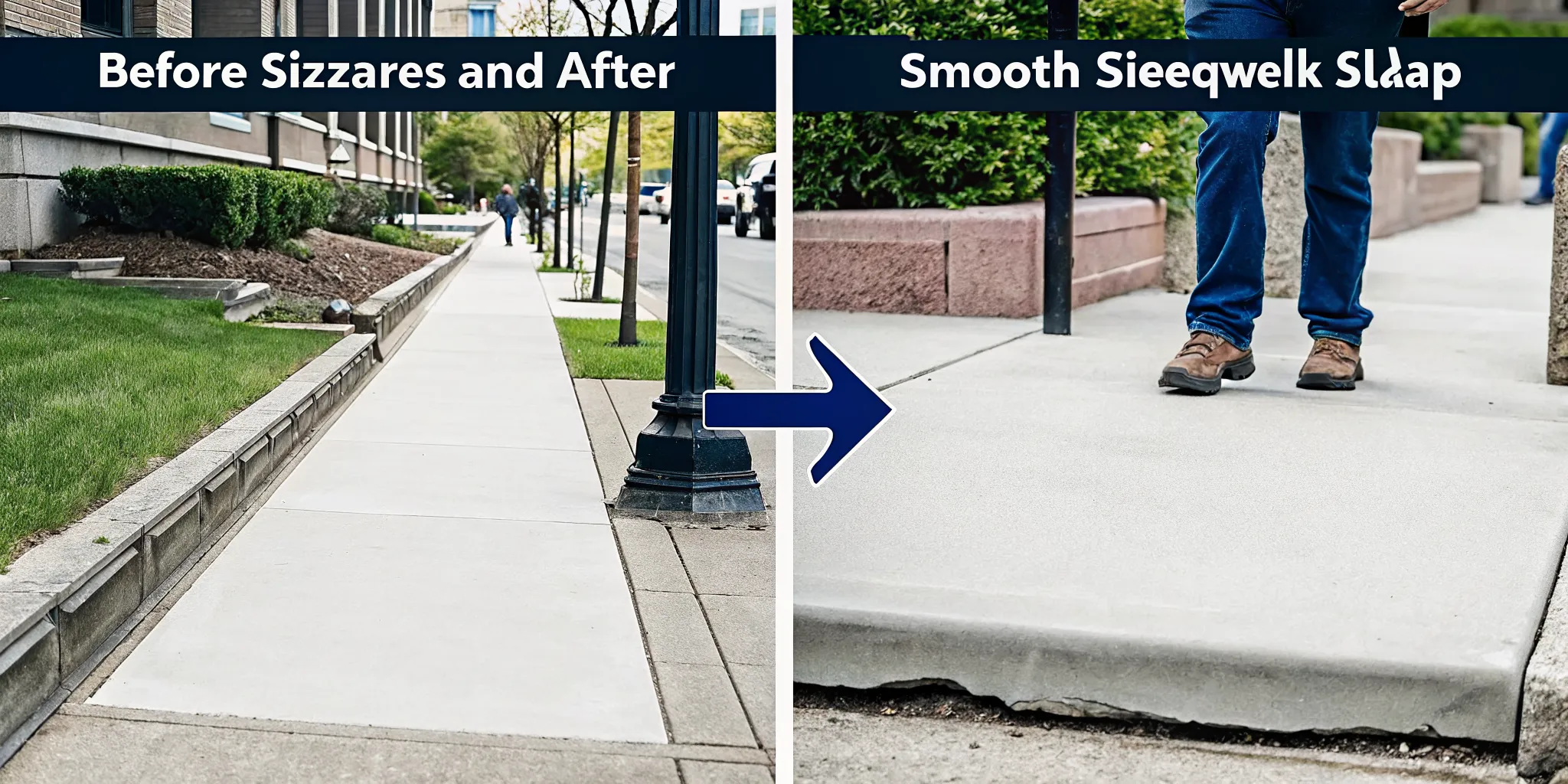
Precision concrete cutting is the best path for a lasting fix. This patented method uses a saw to cut the concrete at a gentle angle. It removes 100 percent of the hazard and provides a safe slope. You can find more details in this trip hazard repair guide for property managers. This method is fast, clean, and lets people walk on the surface the same day.
A seasonal sidewalk inspection plan is only as good as the repair strategy behind it. Once your spring or post-storm inspection identifies trip hazards, the method you choose determines cost, longevity, and compliance outcome. The table below compares the four main approaches available to property managers and municipalities.
Sidewalk Repair Methods Comparison
Precision Concrete Cutting's patented cutting process cuts each trip hazard to an ADA-compliant slope at the lowest lifecycle cost of any method. Unlike grinding, an inferior competitor approach that removes only surface material and leaves hazards behind, PCC's precision cutting achieves a 1:12 slope. This is the same slope standard the ADA sets for ramps, providing more accessible walkways.
Integrating Inspections with Repairs
PCC's Assess & Map process connects directly to your seasonal inspection plan. When your inspection identifies hazards, PCC's team conducts a free on-site assessment using a proprietary GPS-based survey system. Each hazard is logged with precise GPS coordinates, severity classification, and recommended repair priority. The result is a data-driven repair plan that fits your budget and compliance timeline. The benefits of this integrated approach include:
- Phased repair planning:
Prioritize the most dangerous hazards first while budgeting for the rest across multiple budget cycles.
- Defensible records:
GPS-tracked documentation and ADA compliance certification for every repair protects against litigation.
- Quotes after a free assessment:
Predictable costs enable accurate budget planning across properties or municipal districts.
- Same-day completion:
Minimal disruption to tenants, residents, or public access.
For a complete overview of compliance strategies for property owners, read the sidewalk safety and compliance guide.
Frequently Asked Questions
Who is responsible for sidewalk maintenance?
In most towns, property owners must maintain the sidewalks next to their land. This is true even for paths on public land. Owners must keep these walkways safe and clear of trip hazards. Failure to fix damaged panels can lead to high costs. According to the Safe Sidewalks guide, an ADA settlement can cost about 47,500 dollars. Regular inspections help owners find issues early and reduce their legal risk.
How often should sidewalks be inspected?
The best time for a sidewalk inspection is twice per year. You should check your paths in the spring after the ground thaws. You should also check them in the fall before the first snow. This schedule helps you find new cracks caused by ice and salt. Some places use longer cycles for formal reviews. For example, Bath Borough uses a five-year cycle to track sidewalk health across the entire town.
How does freeze-thaw weather affect sidewalks?
Cold weather can damage concrete through a process called freeze-thaw cycles. Water seeps into small pores or cracks in the slab. When that water freezes, it expands by about nine percent. This force pushes against the concrete and makes cracks wider. Over one winter, a small gap can turn into a large trip hazard. Using deicing salt can make this worse by causing more freeze and thaw events within the same slab.
What is an ADA trip hazard?
The ADA defines a trip hazard as any vertical lip that is one-fourth of an inch or higher. These small edges can cause people to trip and fall. To fix these gaps, you must create a smooth slope. The law requires a slope of at least one-to-eight. Precision Concrete Cutting's precision cutting process creates a slope of one-to-twelve. This slope is thirty-three percent gentler than the law needs and makes paths safer for everyone.
Do I need a permit to fix my sidewalk?
Many cities require a permit before you can start repair work on public sidewalks. Always check with your local public works department before you start any project. Getting the right permit helps you avoid fines and ensures your work follows all local rules. Your contractor should handle the permit process as part of their service. Precision Concrete Cutting manages all permit coordination for every project they complete.
Build a Safer Property with a Seasonal Sidewalk Inspection Plan
Freeze-thaw cycles in cold climate markets create serious trip hazards that property managers cannot afford to ignore. A seasonal sidewalk inspection plan is the most cost-effective way to identify damage early, maintain ADA compliance, and protect your organization from costly liability claims. By scheduling inspections in late fall and early spring, tracking hazards with digital tools. And choosing permanent repair methods from Precision Concrete Cutting, you turn seasonal inspections into long-term asset protection.
Ready to protect your property with a seasonal sidewalk inspection plan? Contact Precision Concrete Cutting today to schedule a free on-site assessment and ADA compliance audit.




Comments