How to Verify Sidewalk Repair Results Before Project Closeout
Updated: Sep 15
Final payments for concrete work should only happen after you confirm every trip hazard is gone. A single missed offset can still cause a fall and lead to a costly lawsuit for your property.
Verifying sidewalk repair results is the most critical quality control phase for multi-site property managers and public works directors before formal project closeout. A thorough audit ensures that all repaired areas meet federal ADA compliance standards and local safety ordinances, confirming that no vertical displacement exceeding one-quarter of an inch remains. A proper verification check utilizes GPS tracking, before-and-after photo evidence, and slope measurements for each repair. According to municipal guidelines like the Portland Sidewalk Repair Manual, independent inspections guarantee that completed work meets municipal standards before any official sidewalk violation is formally cleared or closed.
Many property managers overlook the technical details of concrete repairs until after the contractor has left the site. Formal sidewalk verification during project closeout protects your liability, prevents unexpected costs, and ensures compliance with federal standards before releasing final payment.
Why Does Project Closeout Demand Formal Sidewalk Verification?
Formal sidewalk verification is essential during project closeout to guarantee that all completed repairs comply with municipal safety codes and ADA slope requirements. Conducting an independent, systematic audit before releasing final payments ensures that no outstanding trip hazards or non-compliant sections remain to pose ongoing safety and legal liabilities.
Finishing a repair project is a big win for any property manager. But the work is not truly done until you check the results. Skipping this step can lead to safety risks and legal fights. Taking time to check the work now protects your budget and your residents.
Formal checks ensure that the job meets your high standards. It proves that every trip hazard is gone. This is vital for projects in Arizona, Nevada, Utah, Colorado, and Washington. A clear check at the end of the project gives you peace of mind before you send the final payment.
Prevent safety hazards and delays
If you do not check the repairs, you might miss a spot. A small gap can still cause a fall. Property managers have a legal duty to keep walkways safe. A formal review helps you find any missed spots early. This prevents costly lawsuits and keeps your community safe from harm.
Checking the work also stops delays in clearing city fines. Many towns require an official look at the work before they close a case. If the work fails, you must fix it and wait for a new check. You can verify sidewalk repair results to make sure the work passes the first time.
A quick check helps you avoid the high cost of re-doing a job. It is much easier to fix a small issue while the crew is still on site. This saves you from the hassle of scheduling a second visit. It also keeps your repair timeline on track and within your set budget.
Verify sidewalk repair results for ADA compliance
Federal rules for sidewalks are very strict. Any vertical lift of 1/4 inch or more is a trip hazard. These rules help people with disabilities move safely. To meet these goals, sidewalks must have a clear path that is at least 36 inches wide. Any slope change must be smooth and easy to cross.
Our precision cutting method creates a clean 1:12 slope. This is much better than the basic federal rule. It ensures your paths are safe for everyone who uses them. Using an expert sidewalk trip hazard removal service helps you hit these marks every time.
You should always ask for data that proves the work is right. We provide photos and GPS points for every repair we do. This data shows that the work meets all safety laws. It acts as a shield against future legal claims and proves your aim for safety.
Clear city fines quickly
Many cities track sidewalk repairs through permit systems. These systems often need a final sign-off to clear a case. In some places, the final check is the only way to dismiss a fine. Without this proof, your property could stay on a list of unsafe sites for months.
A formal record of the work is your best tool. It shows city officials that you took the right steps. This is key for fast approval in states like Utah and Colorado. Having the right facts ready makes the whole process move much faster for your team.
Good records also help with long-term planning. You can see which areas need the most care over time. This helps you plan your budget for the next year. Clear data makes it easy to show the board that your repair plan is working well.
What Are the Key Metrics to Verify Sidewalk Repair Results?
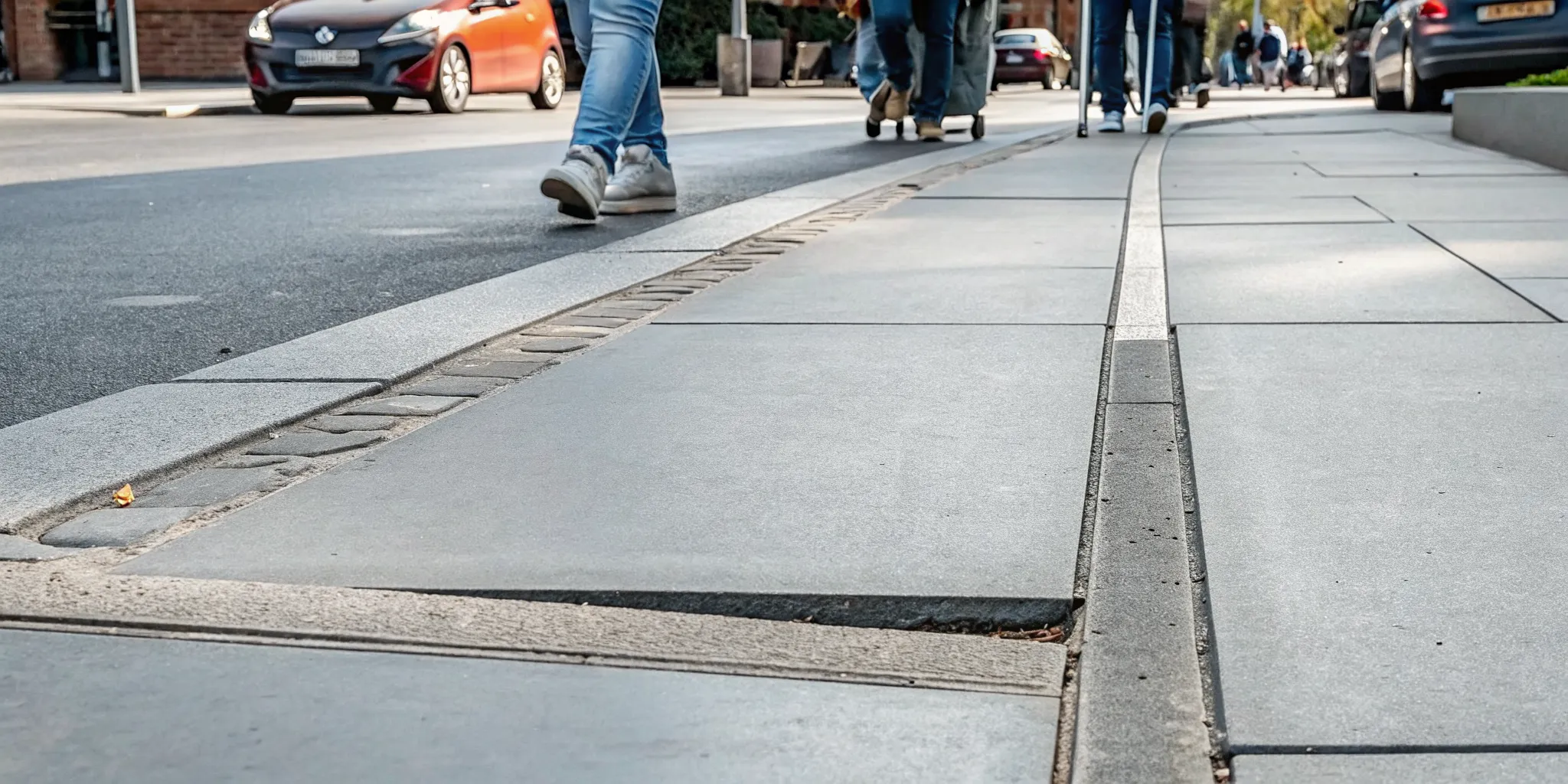
Verifying sidewalk repair results requires measuring three core compliance metrics: a vertical displacement below one-quarter inch. A smooth running slope of 1:12 or gentler, and a side-to-side cross slope under two percent. Documenting these measurements alongside GPS coordinates and before-and-after photography provides absolute proof of accessibility compliance.
When you run a site, you must make sure all sidewalk work meets safety rules. Using the right data helps you verify sidewalk repair results for years to come. You should look at more than just how the concrete looks. Good repairs must follow the laws found in the Americans with Disabilities Act. This law sets the bar for what is safe for everyone.
Slope and Safety Rules
One key thing to check is the slope of the repair. Main rules may allow a 1:8 slope for some quick fixes. But a steep slope can still be a risk for people who use wheelchairs. Precision Concrete Cutting uses a 1:12 slope for its work. This is much safer and is 33 percent better than the base city rule. It creates a smooth path that is easy for all to cross.
A safe path must also be clear and wide. Under the law, a path should be at least 36 inches wide. Any gap or hole larger than one inch can cause a fall. When you check your results, look for these gaps. A good slicing job will leave a clean edge that fits well with the rest of the walk. This keeps the path safe for everyone who uses it.
Cost and Speed Metrics
Old ways like tearing out concrete take a lot of time. You must wait for new concrete to dry for at least 72 hours. This can block paths for days. Slicing hazards is much faster. It also costs 50 to 90 percent less than full new work. This helps you fix more spots with less money and keeps people happy.
It is not enough to just see a hazard is gone. You must check how the work was done. A bad fix can leave a rough edge that still causes trips. High quality work will be smooth to the touch and easy to use. Clean cuts look better and do not leave dust or mess on the ground.
Asset Tracking and GIS Data
Cities and property groups now use tools like GIS to track their sites. You can use GPS data to see where every repair was made. This helps you plan your budget for the next year. It also gives you a full map of your site's safety status. By using data, you can stay ahead of risks and keep your sidewalks in top shape.
Metric | Tear Out and Replace | Traditional Concrete Grinding (Competitors) | Precision Slicing |
Cost Level. | Highest price. | Varies by job. | 50-90% cost savings. |
Work Speed. | Days for curing. | Hours per panel. | Minutes per hazard. |
Safety Slope. | 1:12 when new. | Often 1:4 or worse. | Steady 1:12 slope. |
Long Life. | Full life cycle. | Can scar and weaken. | Clean and long lasting. |
Records and Proof
To verify sidewalk repair results, you need clear records. You should get a report with GPS data and photos for each spot. This proof helps protect you from legal issues. It shows that you took the right steps to keep people safe. Good sidewalk repair services will always give you this data to keep for your files.
How Do You Perform a Step-by-Step Walkway Inspection?
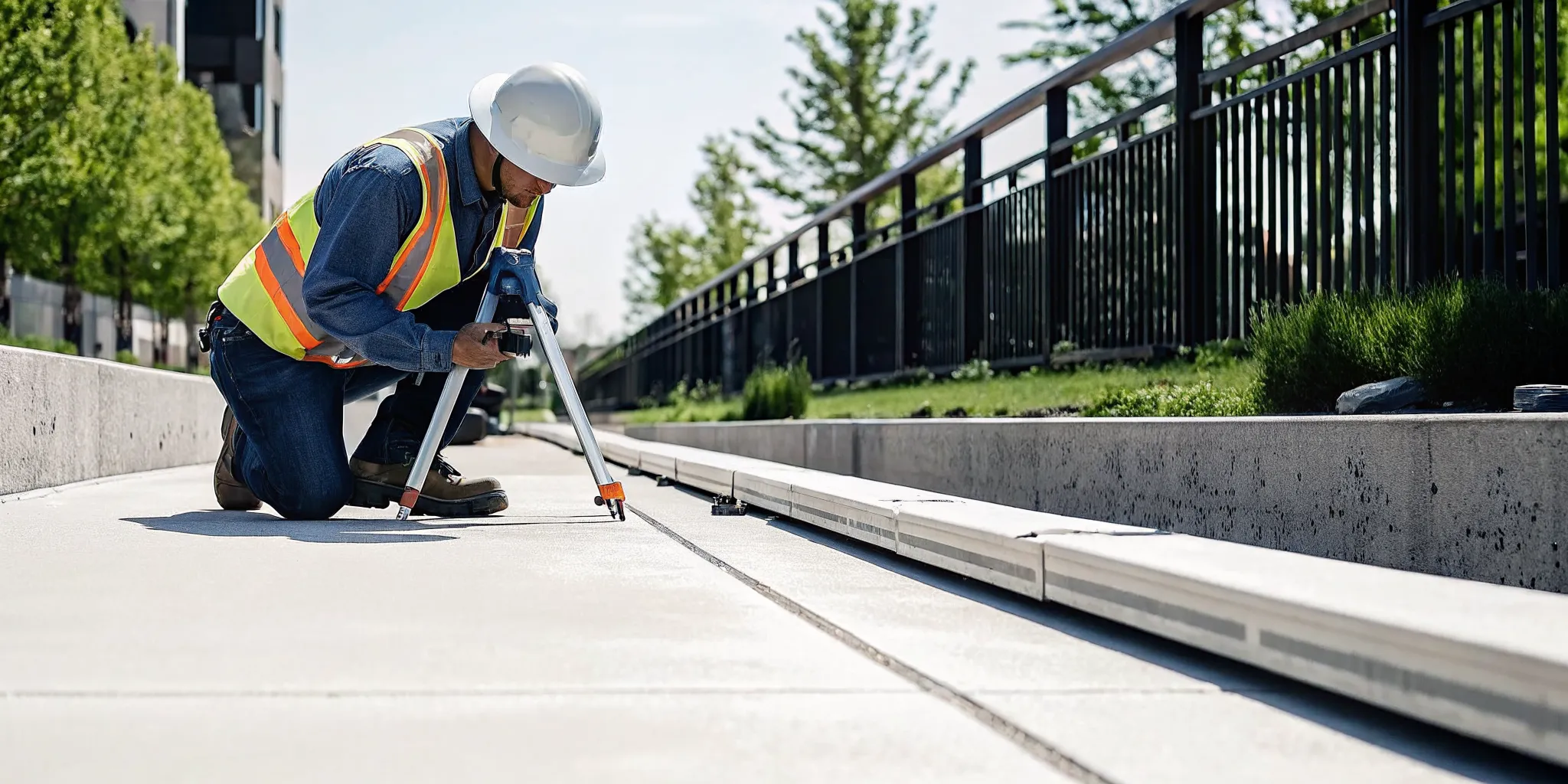
A systematic walkway inspection involves checking transition smoothness, measuring slopes with a digital level, verifying proper drainage, and comparing the finished repairs against original pre-work surveys. This step-by-step audit ensures that every documented trip hazard has been fully resolved and recorded in the property's asset management database.
You must verify sidewalk repair results to ensure the work meets local safety codes. A clear audit helps property leads check the work grade of each fix while making sure the path is safe for all people to use. It also gives you a way to prove the work is done right before you pay the bill. This check reduces the risk of trips and falls on your site.
First Work Review
A good check helps you find small flaws before they lead to big risks by looking at each spot where the crew cut the concrete. This review protects you from legal claims and keeps your walkways in top shape. You can use a sidewalk repair audit to see if the crew missed any areas that still need work. Look for smooth edges that blend into the rest of the path without leaving sharp gaps or rough bits.
During this first walk, look for signs of a clean job. A pro crew will use a slicing method to remove hazards rather than an old tool. This leaves a flat surface that is easy to walk on. If you see dust or dirt left behind, the crew may not have finished the cleanup phase, which shows their work standards.
The Four Step Audit Process
Use this simple list to check the work once the repair crew finishes. These steps focus on the most vital parts of a safe sidewalk. By following this path, you can be sure the repairs will last and keep you in line with the law.
Start with a visual check of each repair spot. Look for clean, smooth edges where the crew sliced the concrete to remove the trip hazard.
Measure the slopes at each repair site. Use a level tool to check the cross slope and the running slope to make sure they are safe for wheels and walkers.
Test the drainage around the new cuts. Pour a small amount of water near the area to ensure it flows away and does not pool on the path.
Audit the before-and-after photos of the work. Check these against the job site to confirm the crew fixed every hazard they listed in the first survey.
Confirming Technical Rules
Federal rules focus on the slope of a repair to keep paths open to all. The California Department of Transportation Construction Manual states that slopes must follow ADA design for legal rules. While federal law allows a 1:8 slope for hazard fix, the best practice is a 1:12 slope. This gentler grade makes it much easier for people using wheelchairs or walkers to move safely without a jolt.
Full reports are a key part of how you verify sidewalk repair results. Your team should get a report that lists the GPS spot and time for each fix. These records prove that you took the right steps to keep the public safe. Save these files to show that your site meets all ADA rules, as they are your best defense against future claims.
How Do ADA Compliance and Federal Accessibility Standards Govern Repairs?
Federal ADA standards strictly regulate sidewalk compliance by mandating a minimum clear width of 36 inches. A maximum cross slope of two percent, and the complete elimination of vertical offsets of one-quarter inch or more. Any repaired transition must maintain a stable, slip-resistant surface accessible to all pedestrians.
Public paths must be safe and easy for everyone to use. Federal rules from the Americans with Disabilities Act (ADA) tell us how to build and fix these walkways. These rules make sure that people in wheelchairs can travel without risk. When you verify sidewalk repair results, you must check every inch against these strict laws. A small error can lead to a failed check or a safety risk.
Land owners have a duty to keep their paths clear and level. This is not just about looks. It is about giving every person the same access to your site. High quality repairs show that you care about the safety of your guests. We use high tech tools to find every spot that needs work.
Vertical edges and trip hazards
The most common safety issue is vertical displacement. This happens when one concrete slab sits higher than the next one. Any edge that is 1/4 inch or higher is a trip hazard. These small lips can catch a shoe or stop a walker. To fix this, Precision Concrete Cutting uses a patented slicing method to create a smooth surface. This process removes the danger without the need for full slab removal.
For gaps between 1/4 inch and 1/2 inch, the law needs a slanted edge. This slope must be at least 1:2 to keep the path safe. If the lift is higher than 1/2 inch, the fix must be even slower to meet the rules. Following these state and federal rules keeps your land in line with the law. It also helps you avoid costly court cases from falls or lack of access.
Slicing is better than old methods because it reaches the very edge of the slab. It leaves a flat, slip-proof finish that lasts for years. This method keeps the concrete strong while making the path safe again. It is the best way to deal with shifting slabs due to tree roots or soil changes.
Running slopes and ramp standards
Running slope is the grade of the path in the direction of travel. Federal rules say that ramps should have a max slope of 1:12. This means for every inch of height, there must be 12 inches of length. This 8.33% grade is the standard for new builds and major repairs. Many local codes only need a 1:8 slope for quick fixes, but that is often too steep for many users. Our sidewalk repair services aim for the 1:12 standard to give users the best ride.
Going past the federal floor by 33% makes a big difference for safety. A gentler slope reduces the effort needed to push a chair or walker. It also lowers the risk of tipping over on a steep hill. An expert sidewalk assessment will measure these grades to find where your paths fall short. High precision tools ensure that every repair meets the goal grade well.
We check every ramp and curb cut to make sure they match the plan. If a slope is too steep, it can block access for those with limited strength. Making sure these grades are right is a key part of our work. We track every record to give you a full report of the work done.
Cross slopes and path width
Cross slope is the tilt of the sidewalk from side to side. This slope helps water drain off the surface so it does not pool. But the ADA limits this tilt to 2% or less. A steep cross slope can pull a wheelchair toward the street or a ditch. It makes it hard for people to stay on the path and stay safe. We check these angles with care during every repair job.
Walkways must also be wide enough for people to pass each other. Federal standards need a clear width of at least 36 inches. In some areas, this must be wider to let two chairs pass at once. Keeping these widths clear of weeds or tall grass is part of good care. Overgrown plants can shrink the path and create a breach of the rules.
Thorough checking of all these items is the only way to ensure full safety for all. We look at every slab to find cracks, tilts, and gaps. This total look at your property helps you plan for the future. It gives you peace of mind that your walks are up to code and safe for every user.
How Can a Liability Shield Protect Property Managers and HOAs?
A comprehensive sidewalk verification program protects property managers and HOA boards by building a robust, documented liability shield. Retaining detailed records of inspections, GPS-tagged repairs, and before-and-after photo evidence systematically demonstrates a proactive approach to safety and compliance, effectively neutralizing potential personal injury claims.
Property managers and HOA boards have a big duty. You must keep local paths safe for all people who walk on them. If a person trips and falls on your sidewalk, your team could face a large legal bill. In 2024, California had more than 3,250 ADA lawsuits. The usual cost to settle one of these cases was about $47,500. This is a big risk for any site owner. You can lower this risk by using clear files to verify sidewalk repair results. Strong records act as a shield if someone files a claim against your firm or board.
Records as your best defense
When you fix a sidewalk, you need more than just a simple bill from a worker. You need proof that the trip hazard is gone. A top repair team gives you a full report once they finish the work. This file should have clear photos of the path before and after the fix. It should also list GPS data and time stamps for every spot. These facts prove that you did the work to keep the area safe. If a person claims they fell on a hazard, you can use these records to show that the spot was fixed.
Short records are also vital for multi-site help and staged repair plans. Many managers look after more than one complex. You need to know which paths are safe and which ones still need work. Having a stored record of every fix helps you track your work over time. This makes it easy to show board members or owners that you are caring for the site well. It also helps you stay within your budget while fixing the most risky spots first.
Proving ADA rules
Your repairs must meet US rules to stop legal risks. The Americans with Disabilities Act (ADA) has tight rules for sidewalk slopes and gaps. Any upward rise of 1/4 inch or more is a trip hazard. Most towns follow state and federal safety rules for all paths. For example, US rules often call for a 1:8 slope for sidewalk fixes. Precision Concrete Cutting uses a patented slicing method to create a 1:12 slope. This slope is smoother than the law requires. It makes paths much safer for people who use wheelchairs, canes, or walkers.
Clearing city notices
If your property gets a city notice, you must act fast to avoid fines. Many cities give owners a strict, limited window, often between 30 and 60 days, to complete the repair work. Once the work is done, you must get a firm check to clear the record. The findings from this final check are the only way to dismiss a city ticket and close the case. Having a sidewalk trip hazard removal plan helps you stay ahead of these city rules. Early work keeps your area safe and saves you from high city costs. You can feel good knowing that your paths meet the highest standards of safety and law.
Key benefits of repair records:
They show that your paths met all ADA slope rules.
They list the exact time and GPS spot of every repair.
They help you plan your budget for future path care.
They stop small gaps from becoming big legal problems.
They provide proof for your insurance team if a claim starts.
They help property managers track work across many sites.
Frequently Asked Questions
What is the process for verifying sidewalk repair compliance?
After you finish repairs, you must set up a check with your local city office. This check makes sure the work meets safety rules before the city clears your notice. As shown in Portland's sidewalk manual, this final visit is the official way to prove your walk is safe. The city will look at the level of the walk and the width of the path. Once they approve the work, they will update their records and close your case.
What happens if my sidewalk repair fails inspection?
If your repair fails, the city will tell you which parts did not pass. You must fix these areas and then ask for a second check to clear the notice. Usually, property owners must handle these extra fixes and the costs that come with them. You should work with a pro to make sure the fix meets ADA rules. Failing to fix the walk on time may lead to more fines from the city.
Do I need a professional to certify sidewalk repairs?
Yes, many cities need a licensed pro to sign off on the work. This makes sure that the repair meets local laws and safety standards. A professional engineer or architect often must sign a form to clear a notice. Using a pro also helps you avoid mistakes that could lead to a failed check. They know the right slopes and widths that the city requires. This step protects you and keeps the public safe.
How can I track the status of my sidewalk inspection request?
You can track your check status through your city's online permit portal. Most cities use a site where you can type in your address or case number. As noted by the Portland Bureau of Transportation, you can use a unique code to see if your walk passed or if you need more work. Keeping an eye on this portal helps you know when the city clears your file. This way, you stay ahead of any deadlines or fees.
Ready to verify your sidewalk repair results?
Neglecting formal post-repair verification leaves severe gaps in your liability defense and site safety. Unchecked repairs often contain non-compliant slopes or vertical offsets that trigger expensive ADA lawsuits and municipal citations. Establishing a systematic, data-driven verification process is the only way to confirm compliance and protect your organization before signing off on project completion.
Our professional team is ready to help you analyze walkway safety, organize compliance data, and ensure every slice cut is ADA-compliant. Call 1-877-224-0025 to speak with a sidewalk asset management specialist right now and secure a documented liability shield for your property.


Comments