A Guide to Preventing & Repairing Sidewalk Cracks
Updated: Oct 14
Short answer: Most sidewalk cracks come from shrinkage as the concrete cures, freeze-thaw cycles, tree roots, or soil that settles or swells under the slab. Hairline cracks are usually cosmetic and can be sealed. A crack becomes a safety problem when one side rises or drops, because a change in level of more than 1/4 inch on a walkway is a trip hazard. Those raised edges can be cut down to a smooth slope without replacing the slab.
Not all sidewalk cracks are created equal. That fine, web-like pattern on a new slab tells a very different story than a deep, diagonal crack that has caused one side to lift. Learning to read these signs is a critical skill for anyone responsible for property maintenance. Is it a simple cosmetic issue, or is it a red flag for a serious structural problem? This guide will teach you how to diagnose the different types of damage you see every day. By understanding what causes specific sidewalk cracks, you can make more informed decisions, prioritize repairs effectively, and prevent minor issues from becoming major hazards.
Key Takeaways
- Prioritize prevention with a solid base and sealant
: Most sidewalk cracks stem from unstable ground or water damage. Address this by starting with a properly compacted base for new sidewalks and applying a quality sealant every few years to protect existing concrete from the elements.
- Know when to patch versus when to call a pro
: Simple crack fillers work for minor cosmetic issues, but uneven slabs are trip hazards that point to foundational problems. These require professional repair, like concrete leveling, to correct the underlying issue and ensure safety.
- Inspect regularly to manage liability
: A consistent maintenance plan is key to managing costs and safety. Walk your property seasonally to spot new cracks or uneven sections, which allows you to fix small issues before they become dangerous trip hazards or ADA compliance violations.
Why Do Sidewalks Crack?
It can be frustrating to see a pristine sidewalk develop cracks over time, but it’s a nearly universal issue. Concrete is a durable material, but it’s also rigid and susceptible to a variety of powerful forces. Understanding what causes these cracks is the first step toward effective prevention and repair. Most sidewalk damage can be traced back to a few common culprits, from the ground beneath to the weather all around. By identifying the root cause, you can make smarter decisions about maintenance and ensure your walkways remain safe and accessible for everyone.
Shifting Soil and Ground Settlement
The ground under your sidewalk is rarely static. Soil, especially clay-heavy soil, can swell when it absorbs water and shrink as it dries out. This constant movement creates an unstable foundation for the heavy concrete slabs resting on top. If the soil wasn't properly compacted before the concrete was poured, it can settle over time, causing sections of the sidewalk to sink and crack under their own weight. This uneven settlement is one of the most common reasons a dangerous trip hazard develops, creating liability issues for property managers and municipalities.
Weather Woes: Freeze-Thaw Cycles
Weather is one of concrete's biggest adversaries, particularly in climates with freezing temperatures. When water seeps into the tiny pores of a concrete slab and freezes, it expands with incredible force. This expansion creates pressure from within, leading to cracks and surface flaking, a process known as spalling. This freeze-thaw cycle can repeat countless times over a single winter, progressively weakening the sidewalk. Similarly, extreme temperature swings in any climate cause concrete to expand in the heat and contract in the cold. Without proper joints to absorb this movement, the stress builds up and eventually results in cracking.
Subpar Installation or Materials
Sometimes, a sidewalk is destined to fail from the very beginning. If the original installation was rushed or handled improperly, problems are almost guaranteed. A common mistake is using a concrete mix with too much water, which weakens the final product and makes it more prone to shrinkage cracks as it cures. Poor workmanship, like failing to create a solid, compacted base or not using adequate reinforcement, also compromises the sidewalk's structural integrity. A sidewalk built on a weak foundation or with a poor-quality mix will simply not stand the test of time, leading to costly repairs far sooner than expected.
Intrusive Tree Roots and Surface Pressure
Trees provide wonderful shade and beauty, but their roots can be incredibly destructive to nearby sidewalks. As a tree grows, its roots expand and search for water, and they can easily exert enough pressure to lift and crack heavy concrete slabs from below. This is a frequent cause of severely uneven surfaces that are impossible to ignore. Beyond tree roots, the sidewalk also endures constant surface pressure from foot traffic and maintenance equipment. While designed to handle this, any underlying weakness can be exposed by this daily stress, turning a minor issue into a major crack and a significant safety concern that impacts your ability to maintain ADA-compliant sidewalks.
Identifying Common Sidewalk Cracks
Walking along a sidewalk, you’ve probably noticed that no two cracks are exactly alike. Some are thin and barely visible, while others are wide, jagged chasms that create an obvious hazard. Learning to identify the different types of cracks is the first step in figuring out the right repair strategy. A tiny hairline crack might just need a simple seal, but a crack that has caused one side of the sidewalk to lift is a different story entirely.
Understanding what you’re looking at can tell you a lot about what’s happening beneath the surface. Is it a simple cosmetic issue from the concrete drying, or is it a sign of a deeper problem with the soil foundation? Some cracks develop into dangerous trip hazards that can create serious liability for property owners and municipalities. By recognizing the patterns and characteristics of common cracks, you can make more informed decisions about maintenance, prevent minor issues from becoming major headaches, and ensure your walkways remain safe and accessible for everyone. Let’s look at some of the most frequent culprits you’ll find in concrete sidewalks.
Hairline and Shrinkage Cracks
Hairline cracks are exactly what they sound like: very fine, shallow cracks on the surface of the concrete. You might also see drying shrinkage cracks, which are similar hairline cracks that often appear in parallel lines or a web-like pattern. These typically form during the curing process as the concrete slab dries and shrinks. While they might look concerning, they are usually just a cosmetic issue and don’t indicate a structural problem.
However, you shouldn’t ignore them completely. Even the smallest crack provides an opening for water to seep into the concrete. Over time, this moisture can lead to bigger problems, especially in climates with freeze-thaw cycles where the water can expand and widen the crack. Sealing these minor flaws early is a simple, proactive step to protect your sidewalk’s integrity.
Settlement and Heaving Cracks
If you see a crack where the concrete is uneven on either side, you’re likely dealing with settlement or heaving. These cracks are a red flag because they create an immediate trip hazard. Uneven slabs happen when the ground underneath gives way or pushes upward. This can be caused by soil shifting, erosion from poor drainage, or even powerful tree roots growing beneath the concrete.
Unlike hairline cracks, settlement and heaving point to an unstable foundation. The crack itself is just a symptom of a larger issue. Simply filling the crack won’t fix the underlying problem or the dangerous height difference between the slabs. These situations require a more robust solution, like concrete leveling or slab replacement, to restore a safe, even surface and prevent the problem from getting worse.
Map Cracking and Spalling
Map cracking, also known as crazing, is a network of fine, interconnected cracks that spread across the surface, resembling a road map. It’s often caused by the top layer of concrete drying too quickly or by temperature fluctuations. While it can be unsightly, map cracking is typically shallow and not a structural threat on its own.
Spalling, on the other hand, is more serious. This is when the surface of the concrete begins to chip, flake, or peel away, leaving behind rough, pitted patches. Spalling is often caused by pressure building just below the surface, which can happen when water penetrates the concrete and freezes or when the internal steel rebar rusts and expands. It’s a clear sign of concrete deterioration that weakens the slab and will continue to worsen if left unaddressed.
Diagonal and Structural Cracks
When you see a crack running diagonally from one corner of a concrete slab to another, it’s often a sign that the ground is settling or shifting unevenly beneath it. These diagonal cracks indicate that the slab is under significant stress. Even more concerning are structural cracks. These are typically wider than a credit card and can run through the entire depth of the concrete.
A structural crack signals a serious failure in the sidewalk's foundation or support system. It’s not something to patch and forget. Ignoring it can lead to the complete breakdown of the slab and create major safety issues. These types of cracks often require a professional assessment to diagnose the root cause and determine the best course of action to ensure your sidewalks remain safe and ADA-compliant.
How to Prevent Sidewalk Cracks
While you can’t stop time or control the weather, you can take proactive steps to prevent most sidewalk cracks from ever forming. An ounce of prevention is truly worth a pound of cure here, saving you significant time, money, and liability concerns down the road. Thinking ahead during installation and performing simple, regular maintenance are the two most effective strategies for extending the life of your concrete surfaces.
A well-built and maintained sidewalk not only looks better but is also safer for everyone who uses it. By focusing on a few key areas, you can dramatically reduce the chances of developing dangerous cracks and uneven slabs. It all starts from the ground up with a proper base, continues with a professional installation, and is sustained through smart maintenance like sealing and water management. These preventative measures are the foundation of a long-term sidewalk management plan that protects your investment and ensures your property remains safe and accessible for years to come. Let’s walk through the most important steps you can take.
Start with a Solid Foundation
Think of your sidewalk’s foundation like the foundation of a house; if it isn’t solid, the structure on top is bound to have problems. The ground beneath the concrete slab is the most critical factor in its long-term stability. Before any concrete is poured, you must "make sure the soil underneath is packed down firmly, has a gravel base for drainage, and is level." A compacted base prevents the ground from settling or shifting over time, which is a primary cause of sinking slabs and cracks. Adding a layer of gravel is essential for proper drainage, as it gives water a place to go instead of pooling beneath the concrete and eroding the soil or causing damage during freeze-thaw cycles.
Insist on Quality Installation
Even with a perfect foundation, a sidewalk can fail if the installation itself is subpar. That’s why it’s so important to work with experienced professionals who understand the science behind concrete. As one expert notes, "If the concrete isn't put in correctly by the workers, it can crack much sooner than it should. Good workmanship is very important." This includes using the correct water-to-cement ratio, pouring the concrete in appropriate weather conditions (not too hot, cold, or wet), and ensuring it cures properly. Proper curing is a patient process that allows the concrete to achieve its maximum strength. Rushing any of these steps can create weak spots that will inevitably lead to cracks.
Seal and Protect Your Concrete
Once your sidewalk is installed, the best way to protect it is with a quality sealant. Concrete may look solid, but it's actually a porous material that can absorb water. To keep it strong, you should "apply a good sealer to protect the concrete from water and the damage caused by freezing and thawing." A penetrating sealer soaks into the concrete to form a protective barrier that repels water, de-icing salts, oil, and other chemicals. This simple maintenance step is one of the most effective ways to prevent spalling and cracking caused by the destructive expansion of freezing water. Reapplying a sealer every few years is a small task that delivers huge returns in sidewalk longevity.
Manage Water and Drainage
Water is the number one enemy of concrete sidewalks. When water is allowed to pool on or around a sidewalk, it will find a way to cause damage. That’s why you must "make sure water drains away from them." Proper grading of the surrounding soil is key, as it should slope away from the concrete to direct runoff elsewhere. It’s also wise to check that irrigation systems and roof downspouts aren’t discharging water directly onto or beside the walkway. Over time, excess water can get under the slab and "wash away the soil or make it too soft to hold up the concrete." This erosion of the base leads to unsupported slabs that crack under pressure and create dangerous trip hazards.
Your Guide to Repairing Sidewalk Cracks
So, you’ve identified some cracks in your sidewalk. What’s next? Taking action sooner rather than later is the best way to prevent small issues from turning into major headaches that impact your budget and expose you to liability. Before you grab any tools, it's important to assess the type and severity of the damage. A tiny hairline crack requires a very different approach than a sidewalk slab that has lifted an inch off the ground, creating a dangerous trip hazard.
Think of it as a triage process for your concrete. Is the crack purely cosmetic, or does it represent a deeper structural problem like soil settlement? Is it actively getting worse? For property managers and municipalities, answering these questions is critical. An uneven sidewalk isn't just an eyesore; it's a safety risk that can lead to pedestrian injuries and legal complications. Your goal is to choose a repair method that not only fixes the visible problem but also addresses the underlying cause. This ensures the long-term safety and accessibility of your property. The following guide breaks down the most common repair options, helping you decide whether it's a simple weekend fix or a job that requires professional expertise to maintain a safe, compliant environment.
Filling and Sealing Minor Cracks
For those tiny, hairline cracks that are just starting to appear, a simple fix can make a big difference. You can find concrete crack fillers or specialized caulks at most hardware stores. Applying these is a straightforward process that seals the crack and stops water from seeping in. Think of it as preventative care for your concrete. By stopping moisture intrusion, you help prevent the freeze-thaw cycle from widening the crack and causing more extensive damage down the road. This small step can significantly extend the life of your sidewalk and keep it looking its best.
Patching More Significant Damage
When you’re dealing with cracks that are wider or deeper than a hairline, a simple filler won't cut it. For this kind of damage, you’ll need to use a concrete patching compound. These products are designed to fill larger voids and create a durable, long-lasting repair. While patching can sometimes be a DIY project, it’s important to prepare the area correctly and use the right material to ensure the patch bonds properly and withstands foot traffic and weather. For public or commercial properties, getting a professional opinion is often the wisest choice to ensure the repair is safe and secure.
Leveling Uneven Sidewalks
If one section of your sidewalk is higher than another, you have a trip hazard on your hands. This isn't just an aesthetic issue; it's a serious safety and liability concern. Uneven slabs are often caused by soil settlement or invasive tree roots, and they can’t be fixed with a simple patch. The solution is to level the concrete. While some methods involve replacing the slab, modern techniques can lift and level the existing concrete without demolition. Addressing unevenness is critical for ensuring pedestrian safety and meeting ADA compliance standards, so this is a job best left to specialists in trip hazard removal.
A Quick DIY Repair Walkthrough
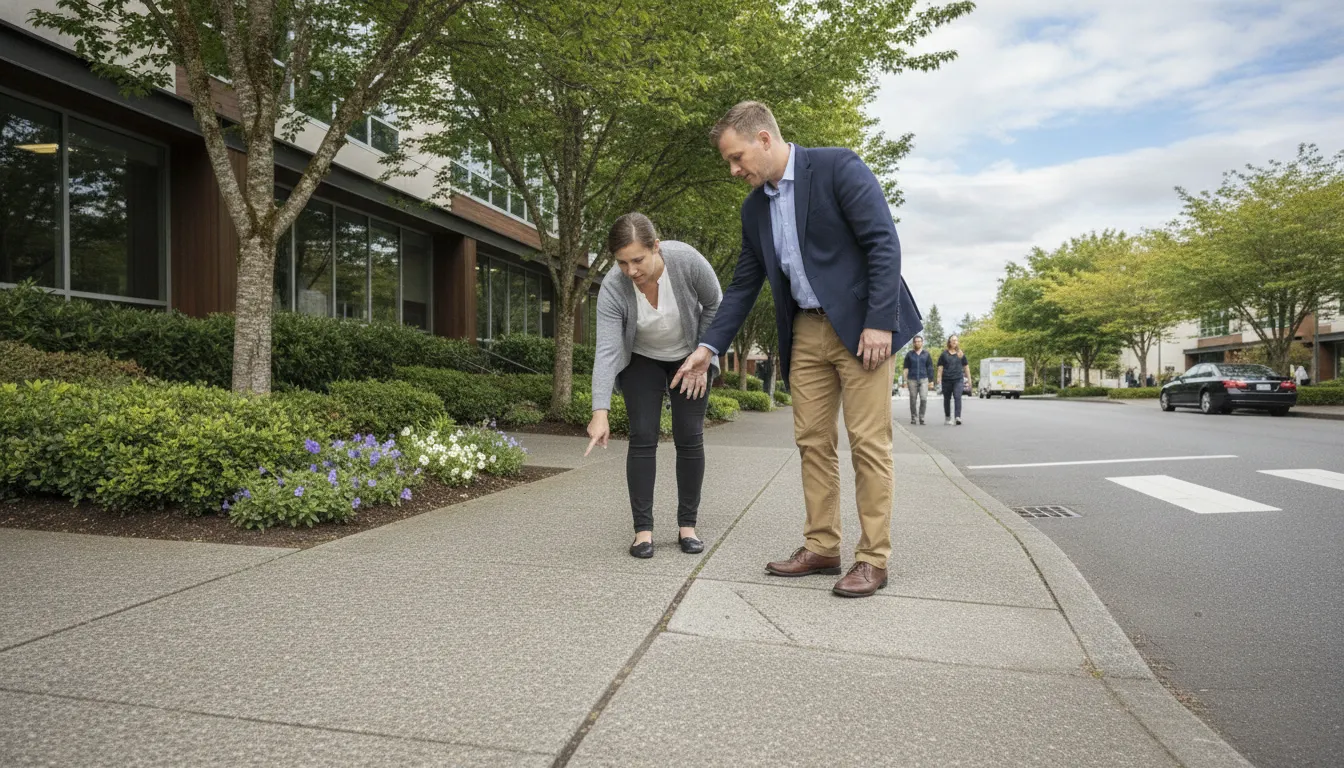
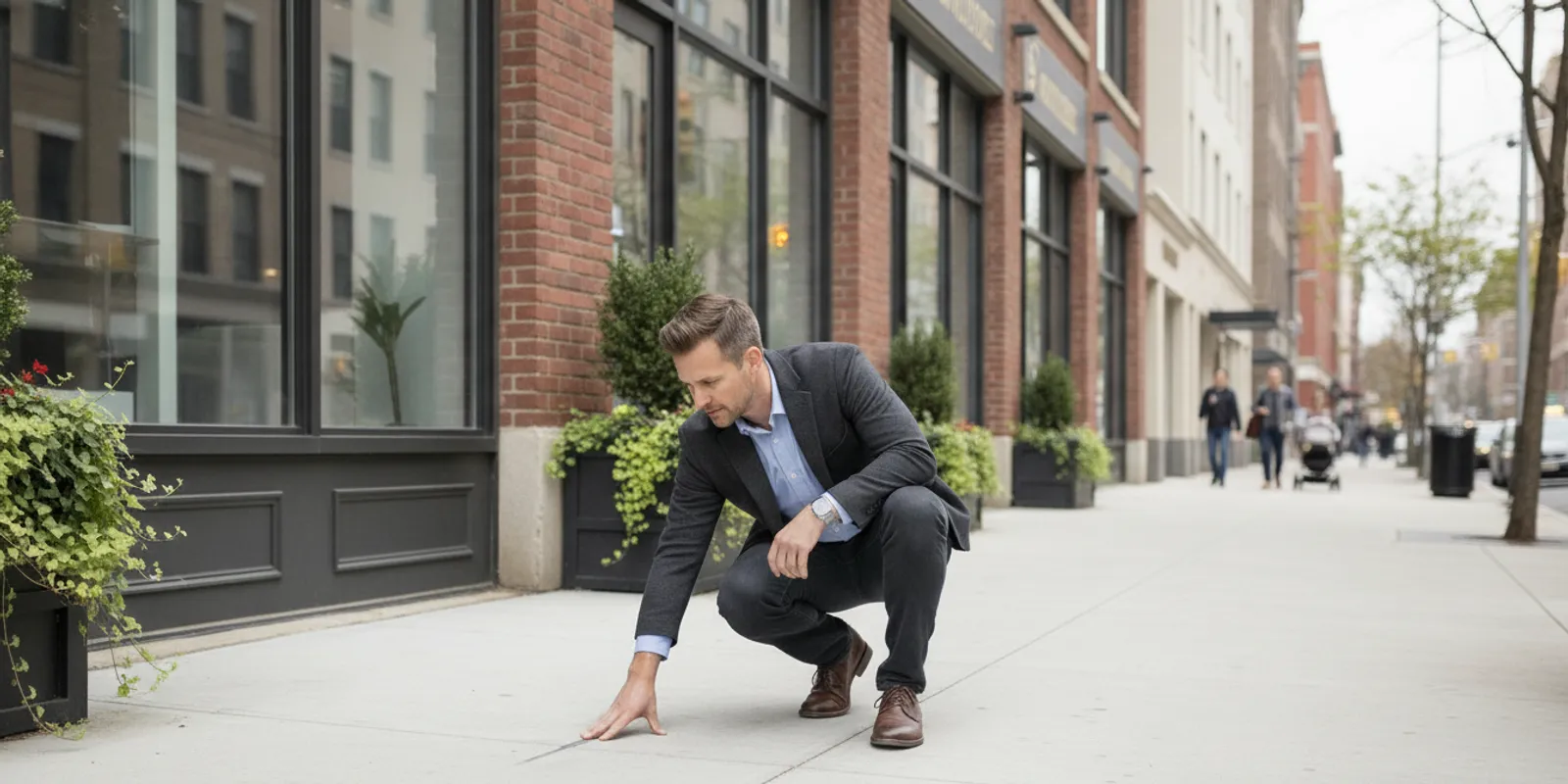
You don't need to be a concrete expert to stay on top of sidewalk maintenance. The most effective tool you have is regular inspection. Set aside time once a season to take a slow walk along your sidewalks. Look for new cracks, crumbling edges, or any sections that have become uneven. Pay attention to areas where water pools after it rains, as this can signal drainage problems. Catching these issues early gives you the chance to address them before they become costly and dangerous. A simple visual check is the first step in any effective sidewalk maintenance plan.
When to Call a Professional
While some minor cracks are manageable with a DIY approach, many sidewalk issues require an expert eye. Knowing when to step back and call a professional can save you time, prevent future headaches, and ensure the safety of everyone who uses your walkways. Certain problems go beyond surface-level fixes and point to deeper issues that, if ignored, can lead to bigger, more expensive repairs down the line. If you're dealing with significant damage, potential safety risks, or compliance concerns, bringing in a specialist is the most effective and responsible choice.
A professional not only fixes the visible problem but also diagnoses the underlying cause to provide a lasting solution. They have the specialized tools and experience to determine if the ground is shifting, if tree roots are the culprit, or if water is eroding the base. This comprehensive approach ensures the repair is not just a temporary patch but a long-term solution that restores the integrity and safety of your sidewalk. Ignoring these signs can turn a simple repair into a full-scale replacement project, which is significantly more costly and disruptive. Calling a professional early is an investment in your property's safety and value.
When You Spot a Trip Hazard
An uneven sidewalk slab is more than just an eyesore; it’s a serious safety risk. A trip hazard occurs when one section of concrete is higher than the adjacent one, often due to shifting soil, settling, or invasive tree roots. Even a slight height difference can catch a foot and cause a fall, leading to injuries and potential liability claims. If you notice any uneven slabs on your property, it’s time to call for a professional assessment. Experts can perform precise trip hazard removal that restores the walkway to a safe, level surface without the need for a full replacement. They have the right equipment to correct the issue efficiently and ensure the repair holds up over time.
If You See Major Structural Damage
Large, deep, or sprawling cracks are often symptoms of a bigger problem lurking beneath the surface. These types of cracks in concrete can signal that the soil underneath has become unstable, causing the slab to sink or heave. Simply filling these cracks won't solve the foundational issue. A professional can investigate the root cause, whether it's poor drainage, soil erosion, or another environmental factor. For properties with extensive sidewalk networks, professionals can even use GIS-based sidewalk data to map out problem areas and create a strategic, data-driven repair plan. This approach addresses systemic issues rather than just isolated cracks, ensuring a more durable and cost-effective outcome.
To Meet ADA Compliance Standards
For property managers and municipalities, maintaining accessible pathways is not just good practice, it's a legal requirement. The Americans with Disabilities Act (ADA) sets clear standards for public walkways to ensure they are safe for everyone, including individuals who use wheelchairs or have mobility challenges. Uneven joints, significant cracks, and steep slopes can all create barriers that violate these regulations. If your sidewalk has any of these issues, it may not be compliant. A professional specializing in ADA-compliant sidewalks can assess your property and perform repairs that meet all legal requirements. This protects you from potential fines and litigation while ensuring your community is welcoming and accessible to all residents.
How Your Environment Impacts Your Sidewalks
You can have the best-laid sidewalk in the world, but if you don’t account for the environment around it, you’ll eventually run into problems. The ground beneath our feet and the weather above our heads are constantly at work. Understanding these forces is the first step in creating a maintenance plan that protects your investment and keeps pedestrians safe. From shifting soil to seasonal temperature swings, here’s how your local environment affects your concrete.
The Challenge of Clay Soil
If your property has clay soil, you’re likely familiar with its tricky nature. Clay is a "thirsty" soil; it swells as it absorbs water and shrinks dramatically when it dries out. This constant expansion and contraction causes the ground to shift and settle unevenly. When the soil beneath a concrete slab isn't stable, the slab can easily crack, sink, or heave. This movement creates uneven joints and surfaces, which can quickly become a serious trip hazard. Proper soil compaction before installation is key, but for existing sidewalks, monitoring for signs of soil-related stress is crucial.
Dealing with Water and Poor Drainage
Water is one of concrete’s biggest enemies, especially when it accumulates where it shouldn’t. After a dry spell, a heavy downpour can send water rushing into existing cracks or underneath sidewalk slabs. This can wash away the soil base, creating voids that leave the concrete unsupported and prone to cracking under pressure. To prevent this, it’s important to ensure your landscape has proper drainage. Directing downspouts away from walkways and grading the surrounding soil to slope away from the concrete can make a huge difference in preventing water from pooling and causing damage.
Preventing Freeze-Thaw Damage
For those in colder climates, the freeze-thaw cycle is a major cause of concrete deterioration. It’s a simple but destructive process: water seeps into the pores of the concrete, then freezes and expands. This expansion puts immense internal pressure on the concrete, leading to cracks, spalling, and flaking. As the cycle repeats throughout the winter, the damage worsens. Applying a quality sealer is one of the best preventative measures you can take. A good sealer creates a protective barrier that keeps water out, which is essential for maintaining safe and ADA-compliant sidewalks through the harsh winter months.
Understanding Your Maintenance Responsibilities
When you own or manage a property, your responsibilities don't stop at the front door. The sidewalk out front is often your legal duty to maintain, and overlooking it can lead to serious consequences. It’s about more than just curb appeal; it’s about safety, legal compliance, and protecting yourself from liability. Understanding what’s expected of you is the first step toward creating a safe environment and a solid maintenance plan.
Your Liability as a Property Owner
As a property owner, you are typically legally responsible for keeping the sidewalk next to your property in a reasonably safe condition. This isn't just a friendly suggestion; it's a duty to prevent accidents. If someone trips and falls because of a crack or uneven slab you neglected, you could be held liable for their injuries. This applies whether you manage a large commercial building or own a single-family home. Staying on top of repairs isn't just good practice, it's a critical step in protecting yourself and anyone who uses the walkway.
Local Rules and City Codes
Beyond general liability, most cities and municipalities have specific codes that outline your maintenance duties. These ordinances often state that property owners must maintain the sidewalks adjacent to their buildings, which includes performing regular inspections and repairing hazards in a timely manner. Ignoring these rules can result in fines or legal action, especially if a neglected crack leads to an injury. It’s always a good idea to check your local government’s website or contact your municipal office to get clear on the specific requirements in your area.
Ensuring ADA Accessibility
Your maintenance plan also needs to account for accessibility. The Americans with Disabilities Act (ADA) requires public walkways to be safe for everyone, including individuals with disabilities. This means your sidewalk must be free of significant cracks, heaving sections, and other obstructions that could become a barrier. A simple crack can quickly become a trip hazard that violates compliance standards. By maintaining a smooth, even surface, you not only prevent accidents but also ensure your property is welcoming. Prioritizing ADA-compliant sidewalks is a fundamental part of responsible property management.
What Does Sidewalk Repair Cost?
Budgeting for sidewalk maintenance is a critical task for any property manager or municipality. The final cost of a repair can vary quite a bit, so it helps to understand what you can expect to pay. The price tag depends heavily on the extent of the damage and the method you choose for the repair. A tiny hairline crack you fix yourself will have a very different cost than a large, heaved section of concrete that poses a serious trip hazard.
To make an informed decision, it’s helpful to compare the costs of a do-it-yourself approach with the investment in professional services. While DIY can seem cheaper upfront for minor issues, professional repair is often the most cost-effective and responsible choice for ensuring long-term safety and compliance. Let’s break down the numbers so you can plan your next steps with confidence.
The Cost of DIY Materials
If you’re dealing with very small, non-structural cracks, a DIY approach can be a wallet-friendly option. For simple sealing or caulking jobs, you can expect material costs to be around $1 to $3 per square foot. A basic tube of concrete sealant or filler from a hardware store might only set you back about $15. This method is best suited for cosmetic fixes or preventing minor cracks from getting worse. Keep in mind, this approach is not recommended for uneven surfaces or significant damage, as it won’t address underlying structural issues or eliminate trip hazards.
Investing in Professional Repair
When safety and liability are concerns, hiring a professional is the right move. Professional repair for moderate cracks and spalling typically ranges from $3 to $8 per square foot. If the damage is severe and requires a complete replacement of a concrete section, the cost can increase to $10 to $25 per square foot. While the initial investment is higher, you’re paying for expertise, proper equipment, and the assurance that the repair is done correctly. This is especially important for public walkways where ensuring ADA-compliant sidewalks is a legal requirement.
What Influences the Final Price?
Several factors can affect the final quote for a sidewalk repair project. The size and complexity of the job are the biggest drivers of cost. For example, replacing a single five-by-five-foot slab could cost between $130 and $380, while larger-scale municipal projects can range from $1,000 to $3,000 or more. Other elements that influence the final price include the specific materials used, the amount of site preparation needed, and local labor rates. Getting a professional assessment is the best way to receive an accurate quote and understand the full scope of the work required.
Creating a Long-Term Maintenance Plan
A proactive maintenance plan is your best defense against costly repairs and liability concerns. Instead of reacting to problems as they appear, a consistent strategy helps you catch issues early, extend the life of your concrete, and keep your property safe. A great plan doesn't have to be complicated; it just needs to be consistent. By combining regular self-inspections with seasonal care and occasional professional input, you can manage your sidewalks effectively and ensure they remain safe and accessible. This approach helps you budget for future work and maintain ADA-compliant sidewalks year-round.
Inspect Your Sidewalks Regularly
Set a recurring reminder to walk your property and look closely at your sidewalks. The most obvious warning signs are cracks, but you should also watch for uneven slabs. This often happens when the soil underneath shifts, tree roots push upward, or the ground settles after a freeze-thaw cycle. Make a note of any changes you see, no matter how small. Catching a slight lift in a concrete panel before it becomes a major issue can save you from a significant trip hazard removal project down the line. A simple log or photo documentation can help you track problem areas over time and decide when it’s time to act.
Key Seasonal Maintenance Tasks
Your maintenance routine will change slightly with the seasons. In the spring, clean your sidewalks of any leftover de-icing salts and debris from the winter. In the summer, keep an eye on any encroaching vegetation or tree roots that could cause pressure. During the fall, it’s important to sweep away leaves and dirt, as this organic matter can trap moisture and lead to staining or surface deterioration. For winter, choose a concrete-safe de-icing agent to prevent chemical damage that can weaken the surface. These simple, year-round tasks protect your concrete and help it stay strong for years to come.
The Value of a Professional Assessment
While your own inspections are crucial, a professional assessment provides a deeper level of insight. An expert can tell the difference between a minor surface crack and one that signals a deeper structural problem. For instance, they can identify if a crack is "active" (meaning it's growing in length or width) or "dormant." This distinction is key to determining the right repair method. A professional can also use tools like GIS-based sidewalk data to create a comprehensive inventory of your assets, prioritize repairs, and develop a data-driven long-term management strategy. This gives you a clear, actionable roadmap for maintaining safe and compliant walkways.
Related Articles
Frequently Asked Questions
My sidewalk has a small crack. Can I just ignore it? It’s tempting to overlook a tiny crack, but it’s best to address it sooner rather than later. Think of that small opening as an invitation for water to seep into the concrete. Once moisture gets in, it can cause bigger problems, especially in colder climates where it can freeze, expand, and turn that small crack into a much larger one. Sealing minor cracks is a simple, proactive step that can prevent a more expensive repair down the road.
One of my sidewalk slabs is higher than the other. Do I have to tear it out and replace it? Not necessarily. In the past, replacing the entire slab was the only solution for an uneven sidewalk, which is a disruptive and costly process. Today, professional services can often level the existing concrete. This process involves lifting the sunken slab back into place, which corrects the trip hazard without the need for demolition. It’s a faster, more efficient, and often more affordable way to restore a safe, even surface.
How can I tell if a crack is a serious structural problem? A good rule of thumb is to look at the crack’s width and location. If a crack is wider than a credit card, runs through the entire depth of the slab, or has caused the concrete to become uneven on either side, you are likely dealing with a structural issue. These types of cracks usually point to a problem with the ground underneath, such as shifting soil or erosion. Simply filling the crack won't fix the root cause, so this is a clear sign you need a professional opinion.
Is applying a sealant to my sidewalk actually worth the effort? Absolutely. Sealing your concrete is one of the most effective preventative measures you can take. Concrete appears solid, but it's porous and can absorb water, de-icing salts, and other chemicals that cause it to break down over time. A quality sealant acts as a protective shield, blocking this moisture from getting in. It’s a small investment of time and money that can dramatically extend the life of your sidewalk and prevent future cracks and spalling.
How do I know if my sidewalks meet ADA requirements? ADA compliance for walkways involves several factors, but a key one is ensuring a smooth and stable path of travel. This means there should be no abrupt changes in level greater than 1/4 inch. An uneven joint between two slabs or a significant crack can easily create a barrier or a trip hazard that violates these standards. If you have any doubts about your property's accessibility, getting a professional assessment is the best way to identify problem areas and ensure you are providing a safe path for everyone.


Comments