Uneven Sidewalk Repair: When Cutting Wins
Updated: Oct 23
A single uneven sidewalk joint can lead to a five-figure injury lawsuit for your business. Most property owners think they must rip out the old slab to fix the trip hazard. This slow and costly path is rarely the best way to keep people safe.
Choosing the right repair method depends on why your concrete shifted in the first place. You must know what makes the ground move before you can find a fix that will last. We start by looking at What causes uneven sidewalks? to see.
What causes uneven sidewalks?
Most uneven paths start with forces under the ground. These issues can build up over many years. As a property manager, you must find these problems early. Finding the cause of the shift helps you choose the right fix. It also keeps your property safe for all users.
Tree roots and soil settling
Tree roots are a common cause of sidewalk lift. As a tree grows, its roots need more space. They often push against the bottom of a concrete slab with great force. This force lifts the edge of the panel. It creates a vertical gap that is hard to see. This gap is a common trip hazard. If you are looking for an uneven sidewalk repair, you must first check for large trees nearby.
Soil settling is another big issue. If the soil was not packed tight when the walk was built, it may shift later. Heavy rain can also wash away the dirt under a slab. This leaves a hollow space. Without support, the heavy concrete will sink. This creates a low spot that traps water and ice. These sunken slabs are just as dangerous as raised ones. They often lead to more damage if they are not fixed fast. The task of removing uneven sidewalks helps keep these paths safe.
The freeze-thaw cycle and drainage
In cold areas, the weather is a major factor. Water can get into the small cracks in the concrete. It can also seep into the soil under the path. When the temperature drops, this water turns into ice. Since ice takes up more room than water, it pushes the slab up. This is known as frost heave. When the ice melts in the spring, the slab might not go back to its first flat state. Over many winters, this cycle can turn a smooth walk into a series of jagged steps.
Poor drainage makes these weather issues worse. If water does not flow away from the sidewalk, it pools in the joints. This wet soil is much more likely to shift or freeze. Good drainage helps keep the ground stable. Without it, you may face repair needs often. Large vertical shifts can be a major risk. Federal rules from the Americans with Disabilities Act (ADA) state that any shift over 1/4 inch needs a bevel or a ramp. Knowing these rules is a key part of property care.
Raised edges vs failed slabs
It is important to know the difference between a simple raised edge and a failed slab. A raised edge happens when one slab stays flat but sits higher than the next one. These are usually easy to fix with precision cutting. This method removes the high edge to make the path smooth again. It is a cost-effective concrete repair choice for many managers.
Repairing structural damage
A failed slab is a more serious problem. This occurs when the concrete has deep cracks or has broken into many small bits. In these cases, the slab may have lost its strength. If the concrete is crumbling or has large holes, cutting the surface will not help. You may need to replace the entire section. But for most common trip hazards, cutting the raised edge is a better and faster path to safety. This keeps your walks in top shape while saving on your budget.
Uneven sidewalk repair methods compared
You have many choices for removing uneven sidewalks. Each way has its own pros and cons. Some ways fix the look of the concrete but do not solve the safety issue. Others take a lot of time and money. It is key to pick a fix that meets laws and keeps people safe.
Common repair options
Patching is often a quick fix. You spread a thin layer of material over the gap. But this layer does not bond well to old concrete. It can crack or peel in just a few months. This leaves the trip hazard right where it was. It can also create a new hazard if the patch is too steep.
Slab lifting uses pressure to move the concrete. Workers pump foam or grout under the slab. This raises it to meet the next one. While it can raise a slab, it is not always exact. The slab might tilt or crack during the lift. Also, the material under the slab can wash away. This causes the slab to sink again later.
Full replacement is a big project. You must hire a crew to tear up the ground. They must haul away old debris. Then they pour new concrete and wait. This process creates a lot of dust and noise. It also blocks the path for many days. This can be a big problem for busy shops or parks. It is often the most costly choice.
Precision cutting offers a better way to fix trip hazards. This method uses a saw to cut off the high edge of a slab. It creates a smooth, safe slope. This path is often cost-effective concrete repair that saves you money. In fact, this method costs on average 80% less than full replacement.
Comparison of results
The table above shows how these ways compare. Most owners want a fix that is fast and lasts a long time. Precision cutting removes 100% of the hazard. Other ways may only fix 30% to 95% of the problem. This makes a big difference for your safety and budget.
ADA laws and safety
Laws protect people who use the sidewalk. The Americans with Disabilities Act (ADA) has strict rules for level changes. Changes up to 1/4 inch can be vertical. But anything between 1/4 inch and 1/2 inch needs a beveled slope not steeper than 1:2. If the gap is over 1/2 inch, you must use a ramp.
Uneven sidewalks also create liability risks for owners. If a person trips and gets hurt, it can lead to legal issues. This is true if the hazard has been there for a long time. Using precision cutting solves the problem fast. It creates a 1:12 slope that is very safe for everyone. You can open the path back up on the same day.
When does precision cutting beat replacement?
Many property owners and city leaders face a tough choice when they find sidewalk gaps. They often think they must tear out old slabs and pour new ones. But full replacement is not always the best way to handle uneven sidewalk repair. If the concrete slab is still strong and in one piece, our patented cutting method is usually the smarter choice. This approach fixes the trip hazard without the mess, noise, or high cost of a work crew. It is a fast way to make paths safe again for everyone who uses them.
Protecting sound concrete slabs
When a concrete slab is solid but has shifted, you do not need to destroy it. In many cases, a tree root or soil change has lifted just one edge. The slab itself remains thick and strong. Replacing such a slab is a waste of good stone. Precision cutting allows us to trim the raised edge with great care. We create a smooth, clean slope that meets federal ADA requirements by reaching a precise 1:12 angle. This is much better than a quick patch or a crude fix that might fail in a few months.
This method keeps the rest of the sidewalk intact. You avoid the risk of matching old concrete with new pours. New concrete often looks different and ages at a different rate. Our team uses a patented process that cuts through the concrete at the perfect angle. This ensures the fix is deep and will last for a long time. By keeping the first slab, you maintain the strength of your existing path. You also save the energy and time it takes to haul away old trash.
Faster and cleaner transitions
One big win for cutting over replacement is speed. A full replacement job takes days. You have to wait for the crew to break the slab, pour new concrete, and then wait for it to dry. During that time, the sidewalk is closed to the public. This causes a big headache for local people and shop owners. Our trip hazard removal service works much faster than that. We complete most repairs on the same day we start them.
Our process is also much cleaner for the area. Old crews create a lot of dust and noise when they break up stone slabs. We use a precise cutting tool that controls dust. This makes it the best choice for busy areas like hospitals, schools, and city streets. You can reopen the walk for use as soon as we finish the work. This fast finish keeps your property easy to use. It also reduces the chance of a person tripping during a long and messy project.
Slashing maintenance costs
Budget is often the main factor for property work. Old-style sidewalk replacement is very expensive and slow. Precision concrete cutting can save you a lot of cash. In fact, this method costs on average 80% less than full removal and replacement. When you have many miles of walks to maintain, those savings add up fast. You can fix many more hazards for the same price as just a few slab replacements. This makes your limited budget go much further.
Removing these trip risks is vital for your safety and your bottom line. If a person trips on your property, you could face high legal costs. Long-standing gaps are a major risk for any owner. Our method provides total hazard removal across the entire width of the sidewalk. This gives you peace of mind and keeps your walkers safe from harm. By choosing to cut rather than replace, you get a higher return on your money and a safer place for all.
How to choose the right repair method
Choosing the best way to fix a path depends on more than just how it looks. You must look at safety, cost, and how long the work will take. Site teams and city staff need a clear plan to handle each trip hazard they find on their land. Using a set process helps you pick the right way to manage removing uneven sidewalks while staying on your budget. A good plan keeps your paths safe and your repair costs low for years to come. It also helps you stay in line with the law.
Check the site for risks
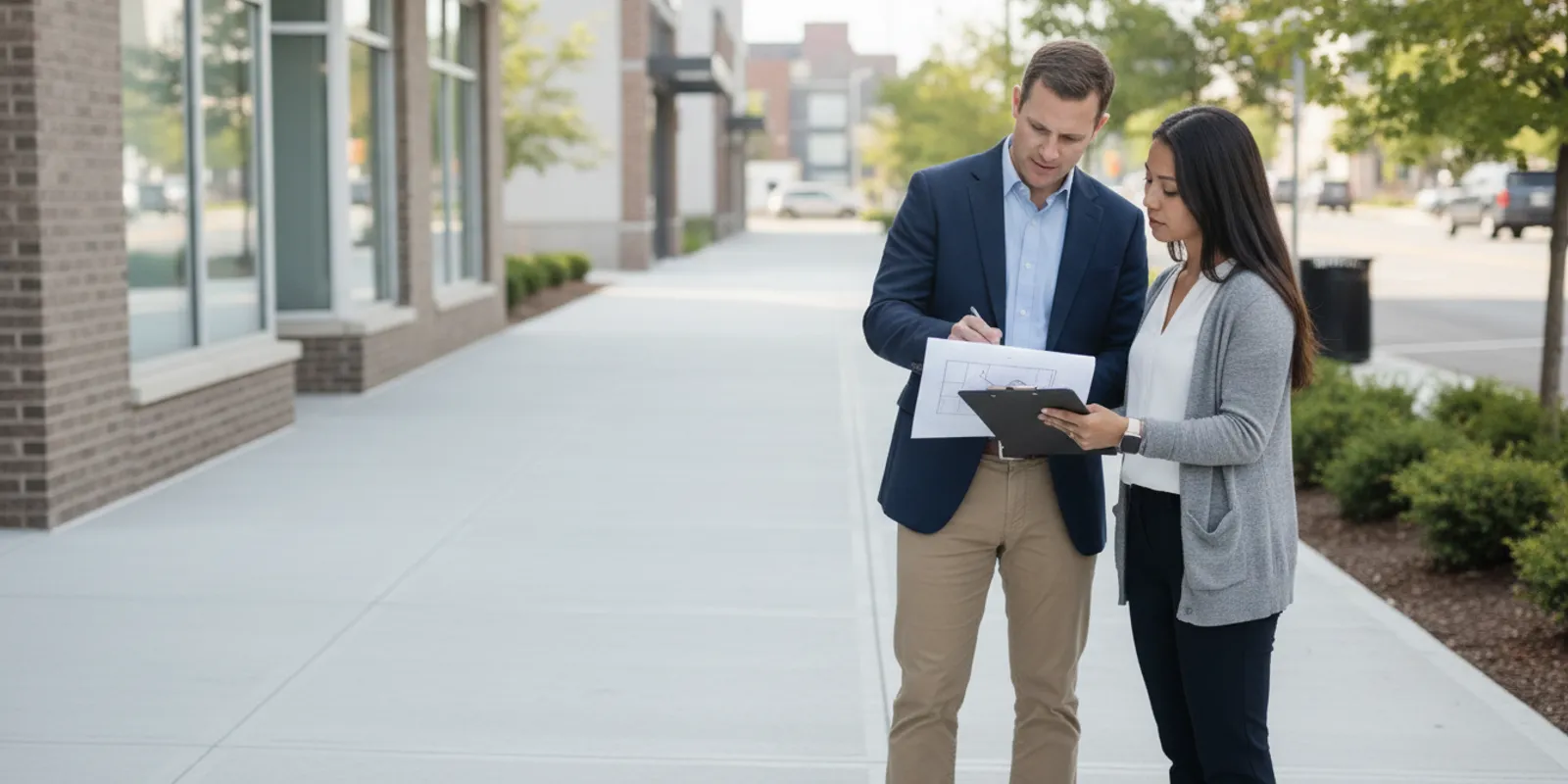
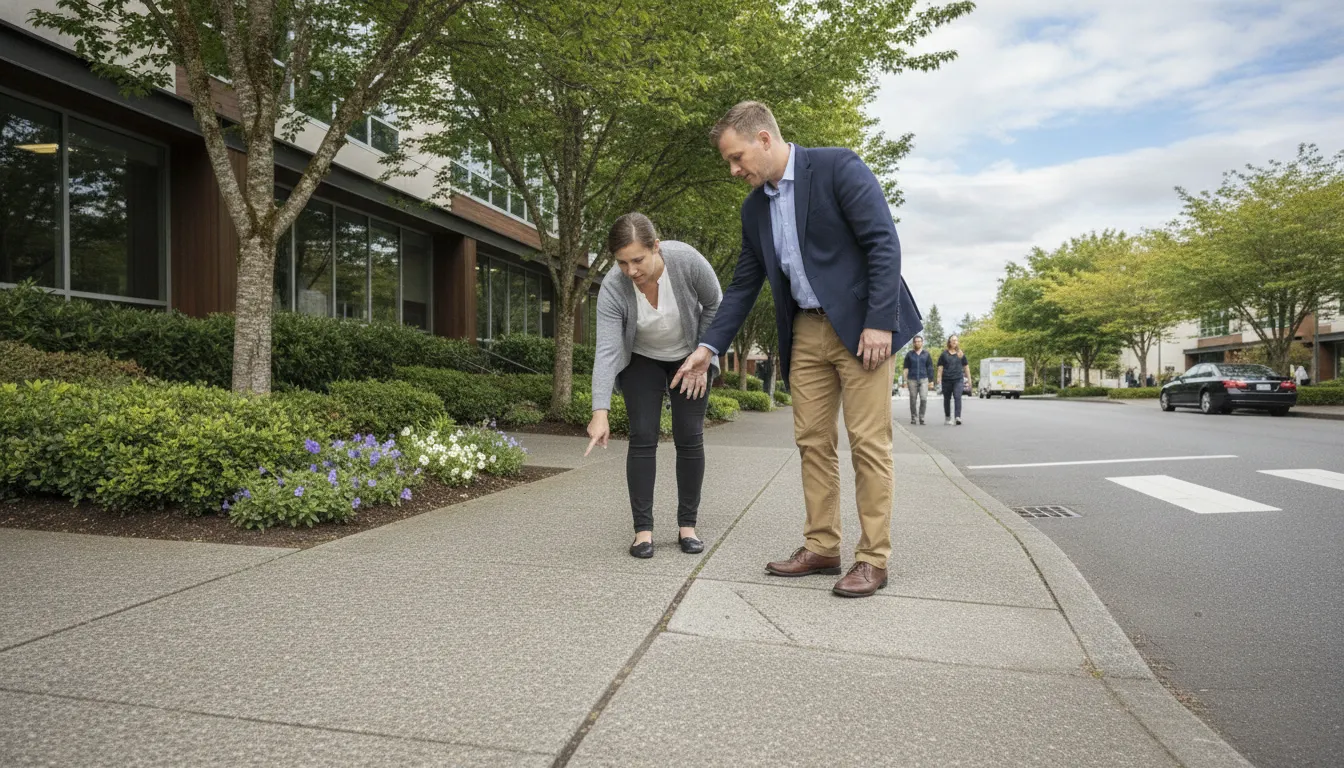
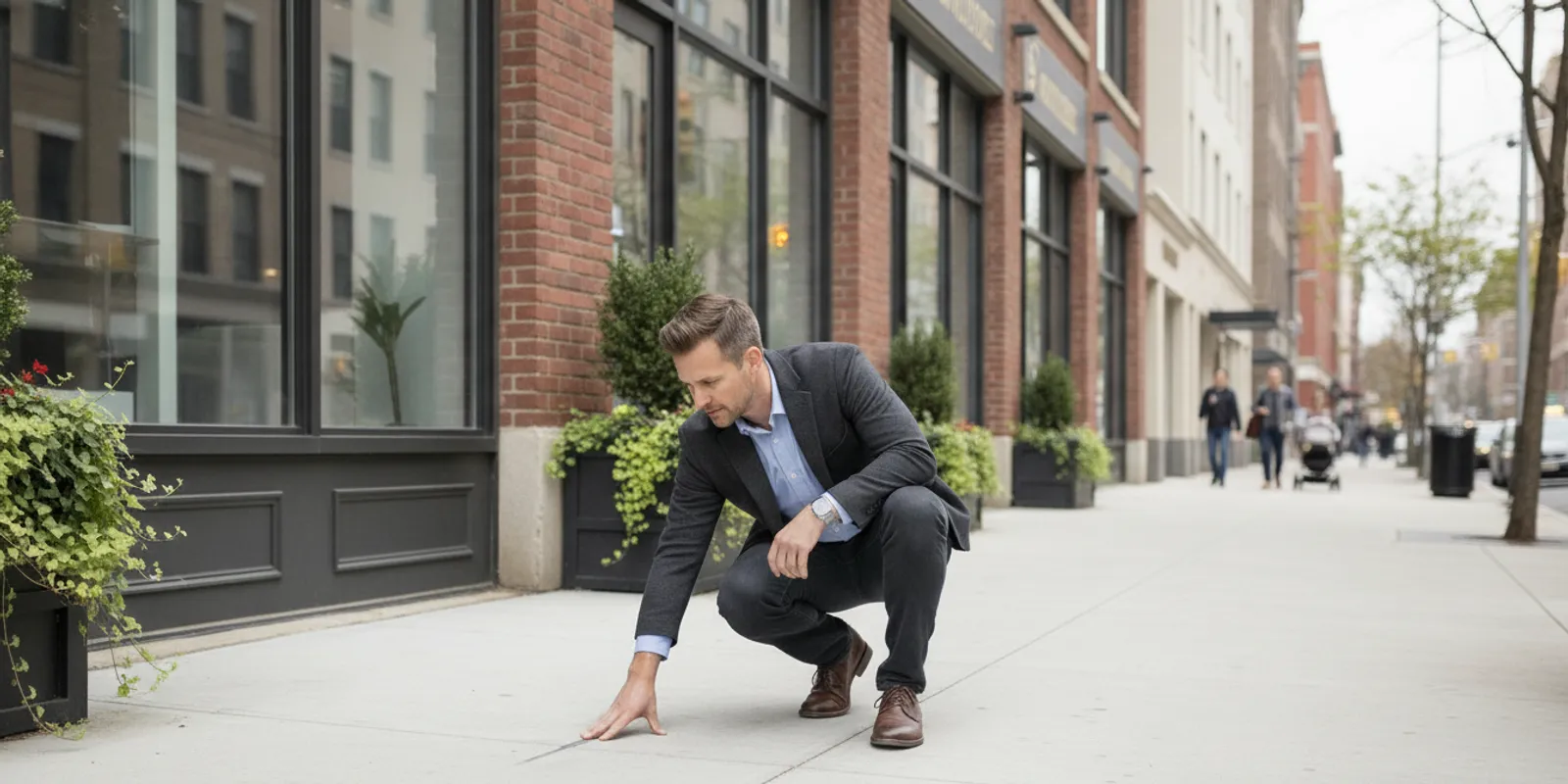
Before you start work, you need to know what you are dealing with on the ground. A walk through your site will show where the most risk is. You should look for gaps, cracks, and edges that have shifted. Most teams miss small shifts that still break the law. Getting this part right saves time and money later. It helps you see which spots need help first to keep people safe. You want to find every spot where a person could trip or fall.
Learn the safety rules
The law is clear about how flat a path must be to be safe for all people. Rules say that a rise up to 1/4 inch is fine for a path. But once it hits 1/2 inch, you must use a slope with a 1:2 grade to make it safe. If the lift is more than 1/2 inch, you may need a ramp for the slab. You can read the full rules on ADA standards for level changes to be sure you are right. Following these rules keeps your site safe and cuts your risk of a lawsuit.
Measure the height of every rise with a tool to see if it meets the rules.
Look at the concrete slabs to see if they are still strong or if they are broken and soft.
Find out if tree roots or wet soil moved the slab in the first place so you can fix the cause.
See if precision cutting can fix the edge without having to pull up the whole slab or block the path.
Write down the size and spot of each hazard to track your work and keep proof of your site safety.
Pick a way that fits your budget while giving you a
cost-effective concrete repair
that lasts for a long time.
Most teams find that precision cutting is the best choice for their needs. It costs on average 80% less than taking out the old slab and putting in a new one. This method creates a smooth 1:12 slope that meets all rules for safety. You can finish the job in one day and open the path to people right away. This keeps people safe and saves your team from high costs and a big mess. It is the best way to keep your site in top shape without spending too much.
Site owners must also think about the long-term health of their paths. Fixing small problems now stops big issues later. If you let a hazard stay, it only gets worse and costs more to fix. Choosing a fast and low-cost way like cutting lets you fix more spots with the same budget. This leads to a safer site for everyone who walks there. It also helps your team track the health of your paths over time. A safe path is good for the neighbors and good for your bottom line.
How uneven sidewalk repair supports ADA accessibility
Safe paths are a must for all people. When a sidewalk is not level, it can block those with trouble moving. Using uneven sidewalk repair helps keep paths open for everyone. It helps cities and owners meet the rules set by the Americans with Disabilities Act. These rules help make sure that public areas are easy for all to use.
Meeting federal safety rules
The law has clear rules for how level a path must be. Small shifts in the concrete can be a big problem. A shift up to 1/4 inch is allowed to be vertical. If the shift is between 1/4 inch and 1/2 inch, it must have a sloped edge. This edge should have a slope of 1:2. Any shift larger than 1/2 inch needs a ramp to stay safe. You can find these rules in the federal standards for accessible design.
Precision concrete cutting is a great way to fix these shifts. This method can create a smooth slope of 1:12. This slope is even better than what the law needs. It allows wheelchairs and walkers to move over the surface with ease. By using this tool, you can remove hazards without the mess of a full tear-out.
Checking local needs
While federal rules set a base, local rules may vary. Each project team must check the specific needs of their area. Some towns have even stricter rules for sidewalk safety. Fixing a trip hazard is a good start. But it does not mean the path meets every part of the law. You should work with experts who know the local laws. Our commercial sidewalk repair services can help you find these issues.
It is vital to look at the whole path, not just one spot. A path needs to be clear from start to end. This means checking for side slopes and path width too. Proper repair choices support these goals. They help keep the path stable for many years.
Long term checks and records
Once the repairs are done, the work is not over. Owners should keep clear records of all the work. This helps show you made a real effort to keep paths safe. Good records can also help if there are ever legal claims. This paperwork proves you took steps to fix the hazards you found.
Ongoing checks are also needed. Concrete can shift again over time due to tree roots or weather. Regular checks help you find new hazards before they become a risk. This early care saves money and keeps people safe. It ensures that the path stays useful for everyone in the area.
Planning repairs across a sidewalk network
Keeping a large sidewalk system in good shape can feel like a big job. But for city leaders and land owners, a clear plan makes the work much simpler. You need a way to track all your paths and find where hazards hide. By grouping your tasks, you can save time and keep your town safe. A smart approach to uneven sidewalk repair keeps costs low and ensures every path meets the law.
Survey your current sidewalk assets
The first step in any repair plan is to know what you have. You should start with a full check of every walkway on your land. This search helps you find cracks, lifts, and gaps that might cause a fall. US rules state that any height change over 1/4 inch must meet access rules to stay safe. Using an online map or GIS tools can help you log these spots and track their state over time.
Once you have a list, you can see the scale of the work. This list serves as your base for all future repairs and budget talks. It is much easier to fix a small lift now than to wait for it to grow. A good search finds not just the big trips, but also the small ones that might fail a check. High-quality data leads to better choices and safer streets for everyone.
Rank your repair needs
Not all trip hazards are the same. You must decide which areas need the most care based on use and risk. Busy paths near schools, parks, or shops should come first on your list. These spots see the most foot traffic and pose the highest risk of a harm claim. You can group your uneven sidewalk repair tasks by area to cut down on travel and setup time.
When you group your work, you make the most of your repair team's day. Fixing ten hazards on one street is faster than jumping from block to block. This method also helps you tackle the worst trips before they lead to a fall. A focused plan shows that you are taking active steps to manage your risk. It turns a large, messy problem into a set of clear, doable goals.
Managing your budget and records
A good sidewalk plan needs a clear budget and good proof of work. You should set aside funds each year for routine fixes rather than waiting for a crisis. This move helps you avoid the high cost of full concrete replacement. When you finish a repair, you must keep a record of what you did and when you did it. This proof is vital for legal safety and for tracking how well your repairs hold up.
You should also plan for a free sidewalk check to find new hazards as they form. Ground shift and tree roots can create new trips in just a few seasons. By watching these spots, you can fix them early and keep your paths smooth. Clear records help you show that your land is safe and well-kept. Over time, this careful habit saves money and builds a better network for the whole town.
Frequently Asked Questions
How quickly can a sidewalk be used after the repair is finished?
Precision concrete cutting is a very fast way to fix paths. Full replacement needs days for the concrete to set and dry. In contrast, cutting works in a few hours. The sidewalk is ready for use right after our team finishes the work. Per Safe Sidewalks, repairs are done in one day. This allows you to reopen your paths to the public with no wait time at all.
Can precision cutting eliminate every trip hazard on a path?
How does precision cutting save money for property managers?
Precision cutting is a smart way to use a small budget. It costs on average 80 percent less than tearing out and pouring new concrete slabs. You also save on the cost of trash removal and long crew hours. By using expert cutting instead of replacement, you can fix many more hazards for the same price. This helps you keep your land safe while lowering your legal and repair costs.
How much can a sidewalk be uneven before it needs repair?
Federal rules state that level changes must be very small. A vertical rise of up to one fourth of an inch is allowed. Changes between one fourth and one half of an inch must have a bevel. According to the ADA standards, any rise larger than half an inch needs a ramp. Precision cutting helps you meet these rules by creating a slow, safe slope on your current concrete walk.
Related reading: why PCC cuts instead of grinding.
Ready to request an uneven sidewalk repair assessment?
Leaving uneven paths on your property creates high risks for trips and falls. These hazards can lead to costly legal fees or serious ADA fines. Our precision cutting service fixes these gaps fast without the mess of full replacement. This helps you save money and reopen your sidewalks on the same day. By taking action now, you can stop injuries before they happen. You will get a safe, level surface that lasts for many years. This proactive approach helps you manage your assets well and gives you peace of mind. Your walkways will meet all safety standards without the noise or dust of old methods. A better choice for your concrete is ready for you to use today. We make it easy to keep your paths safe and compliant for everyone.
Ready to request an uneven sidewalk repair assessment? Call 1-877-224-0025 to request an uneven sidewalk repair assessment.

Comments