Sidewalk Repair Budget Planning for Municipalities
Updated: 21 hours ago
Sidewalk Repair Budget Planning for Municipalities
Limited capital funds make it difficult to keep pace with every sidewalk need at once.
Request a sidewalk assessment to turn field data into a defensible, phased capital plan.
Sidewalk repair budget planning is the process of using field data and risk assessment to allocate municipal funds for walkway maintenance. It shifts the focus from reactive work to proactive hazard removal. A complete GIS inventory helps public works departments prioritize repairs based on hazard severity, pedestrian exposure, accessibility needs, and route importance. The resulting plan gives finance teams a defensible basis for phasing projects while public works teams document progress.
Municipal leaders need a clear view of their entire network to make these tough financial decisions. A complete inventory provides the starting point for finding, prioritizing, and addressing trip hazards.
Build sidewalk repair budget planning on a complete inventory
Good sidewalk repair budget planning starts with a full look at your city's needs. You cannot plan for costs you cannot see. A clear hazard inventory helps you find every issue before it leads to a claim. This data-driven path lets public works leaders ask for the right amount of funds each year. By knowing the full scope of your walk network, you move from a reactive mode to a smart plan.
Consistent hazard check rules
Solid data depends on clear rules. Your team must use the same rules for every mile of path they check. This ensures that every trip hazard is measured the same way across the city. ADA sidewalk compliance should inform the assessment criteria and the priority framework. Clear checks help teams identify changes in level, slopes, surface damage, and other barriers consistently.
When every team member uses the same tools, your budget requests become much stronger. You can show why some spots need more work than others. This proof helps you win the support of city boards and taxpayers. Same-style data also makes it easier to track your work over many years. You will know exactly how much of your hazard list you have cleared. It keeps your records clean and your plans on track.
GIS location data use
Mapping your sidewalk assets with GIS is a vital tool for modern city planning. This tool lets you see exactly where your hazards are on an online map. It links each repair need to a specific spot. This helps crews find and fix issues faster. A systematic sidewalk assessment can form the core of your budget plan. GIS mapping also adds a layer of clarity to public works projects.
Using GIS data offers several key perks for your team:
It tracks past repairs for every panel of concrete.
It allows you to group work by zip code or street.
It shows live progress to city leaders and the public.
This bird's-eye view allows you to group repairs by area or street. Grouping work this way can help you save on travel costs for your teams. It also gives you a clear record of safety efforts. This record can help you if someone files a claim for a fall.
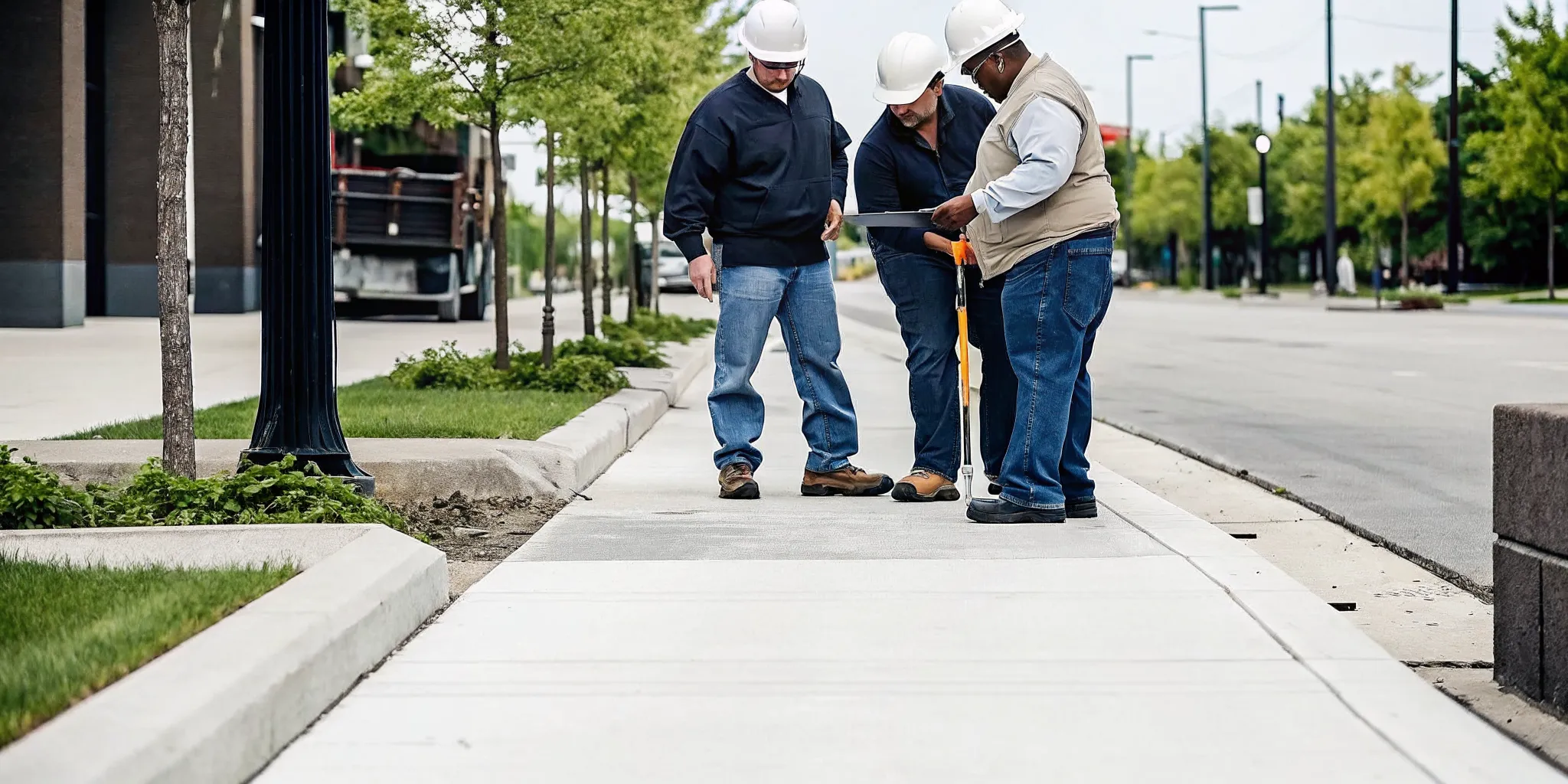
A consistent field assessment creates the evidence needed to rank sidewalk work by risk.
Hazard ranking by risk
A small budget means you must fix the most dangerous spots first. A good inventory lets you sort hazards by how likely they are to cause a trip. You should focus on high-traffic zones like school routes and bus stops first. Fixing your work based on risk ensures that your most vital paths stay safe for all. This approach helps you make the best use of every dollar in your sidewalk fund.
Ranking by risk also helps you meet legal rules for safety. By fixing the worst trip hazards fast, you lower the chance of a big legal payout. This focus on safety shows that your city is taking active steps to protect its people. It also helps you maintain a steady pace of repair that fits your yearly budget cycle. A smart plan keeps your town moving and keeps your costs low.
Prioritize sidewalk work by risk and public value
Cities often face tight limits on funds for path upkeep. Because of this, proactive sidewalk maintenance is key to a smart budget plan. Leaders must decide which repairs to do first to keep people safe and follow the law. This process helps spend public money where it adds the most value. By using a clear set of rules, city teams can show why they chose certain spots over others.
Rank hazards by size and safety
Changes in level can create trip hazards and accessibility barriers. Assessment teams should record the height, slope, surface condition, and surrounding context of each defect. Those consistent measurements help public works staff distinguish urgent hazards from lower-priority maintenance needs. The municipality's adopted standards and applicable accessibility requirements should guide final decisions.
Fixing the worst lips first helps meet these rules while lowering risk. Sidewalks and curb ramps are basic city services that people need to reach jobs, stores, and health care. When paths stay in good shape, everyone can move through the town with ease. Ranking hazards by their height and slope allows teams to find the most dangerous spots in the network.
Target busy paths and public routes
Not all paths see the same amount of foot traffic. Busy areas like schools, bus stops, and main streets need more focus than quiet side streets. Using GIS data helps teams map these high-use zones to find where hazards pose the most risk. This data shows where many people walk and where hazards are grouped. By fixing these spots first, you protect the most users with your limited funds.
A good plan also looks at routes that lead to public buildings. Places like libraries, parks, and city halls must be easy for everyone to reach. Pedestrian use is a big part of the risk score. A hazard on a busy street is a bigger threat than the same hazard on a dead-end road. Data-driven tools help public works teams track these risks and report on their progress over time.
Shift to a proactive repair plan
Waiting for a complaint to fix a path is a reactive way to work. It can leave known needs competing for attention without a clear priority framework. A better approach is to identify hazards before they cause a fall and match each one to an appropriate repair. Precision cutting can preserve suitable concrete instead of replacing an entire panel. Replacement remains appropriate when a panel has structural damage or another condition that cutting cannot address.
A planned approach uses a list of all hazards to map out work for months or years. This helps city leaders ask for the right amount of money in their budget. It also helps them show that they have a fair plan for all parts of the city. Phasing the work based on risk ensures that the most critical needs are met first. Over time, this lowers the total cost of keeping paths safe for everyone.
Match each sidewalk defect to the right repair approach
Choosing the right fix for a sidewalk defect depends on the type of damage, the condition of the panel, and the desired result. A repair matrix helps planners avoid treating every defect as a replacement project. It also makes budget assumptions easier to explain because each method has a defined use case.
Precision cutting for vertical lips
Vertical lips occur when one concrete slab sits higher than the next. Precision cutting can remove suitable trip hazards while retaining the existing panel. Precision Concrete Cutting's patented process cuts the concrete at an angle to create a smooth transition. An assessment is necessary to confirm whether each location is an appropriate candidate.
Spot repairs for small cracks
Small cracks and surface pits can often be fixed with spot repairs. This approach uses patch mixes to fill in holes or seal thin cracks. It is a quick way to stop water from getting under the concrete. But spot repairs do not fix the root cause of a moving slab. They work best as a short-term fix while you plan for a more cost-effective sidewalk repair plan across the whole site.
Full slab replacement for major damage
Some sidewalk panels are too far gone to save. If a slab has deep cracks or is broken into many pieces, you must replace it. This involves breaking up the old concrete and pouring a new section. While this is the most permanent fix, it is also the most expensive. Most managers use this only when precision cutting or spot repairs cannot solve the safety issue. It needs careful sidewalk repair budget planning to handle the high cost per square foot.
Defect Type | Best Repair Method | Budget Impact |
Suitable vertical lip. | Precision cutting. | Preserves the existing panel. |
Minor surface damage. | Spot repair or monitoring. | Scope depends on the defect condition. |
Deep structural break. | Full slab replacement. | Requires a replacement allowance. |
Widespread root or base issue. | Reconstruction and root coordination. | May require a separate capital scope. |
Turn priority data into a phased capital program
Public works teams must move past fixing one panel at a time to build a smart sidewalk repair budget planning process. A phased program uses facts to group work by risk and place. It also helps finance teams see why and where funds go each year. When you have a clear plan, you can turn a list of hazards into a roadmap for safer, more accessible paths.
Set clear repair rules
A full list of hazards is the first step toward a smart plan. Teams should use clear rules to record every trip hazard across the city. By finding the full scope of needs first, you can reduce budget surprises later. This data lets you build a repair plan that directs available funds toward documented priorities. Standard rules ensure that every path gets the same level of review.
Map high-risk zones
Not every sidewalk needs help at the same time. High-traffic paths near schools, clinics, and bus stops should come first. GIS tools help managers see these clusters on a map. You can then group work by zone to save on the cost of moving crews from spot to spot. This data-driven way of working makes every tax dollar go further while making the city safer for all people.
Plan for the long term
Steady care does more than just fix current holes. It keeps the whole path system from falling apart. Small cracks and shifts can become big gaps if you do not act. By planning two or three years out, you can keep your paths in good shape for a low cost. This moves the city from a cycle of failing and fixing to one of steady health for its sidewalks.
Complete a full survey of all public walkways to build a hazard list.
Group each hazard by its height and the risk it poses to walkers.
Map out high-traffic zones to find which areas need help right away.
Match the repair list with the city's yearly and multi-year fund cycles.
Write a clear bid for precision cutting to fix many panels in a short time.
Secure and defend your budget
Clear facts are the best way to support a budget request before a city board. A list of documented hazards, transparent priority criteria, and a phased scope show how the proposed work addresses risk. Completion records then create a paper trail that demonstrates ongoing action and informs the next capital cycle.
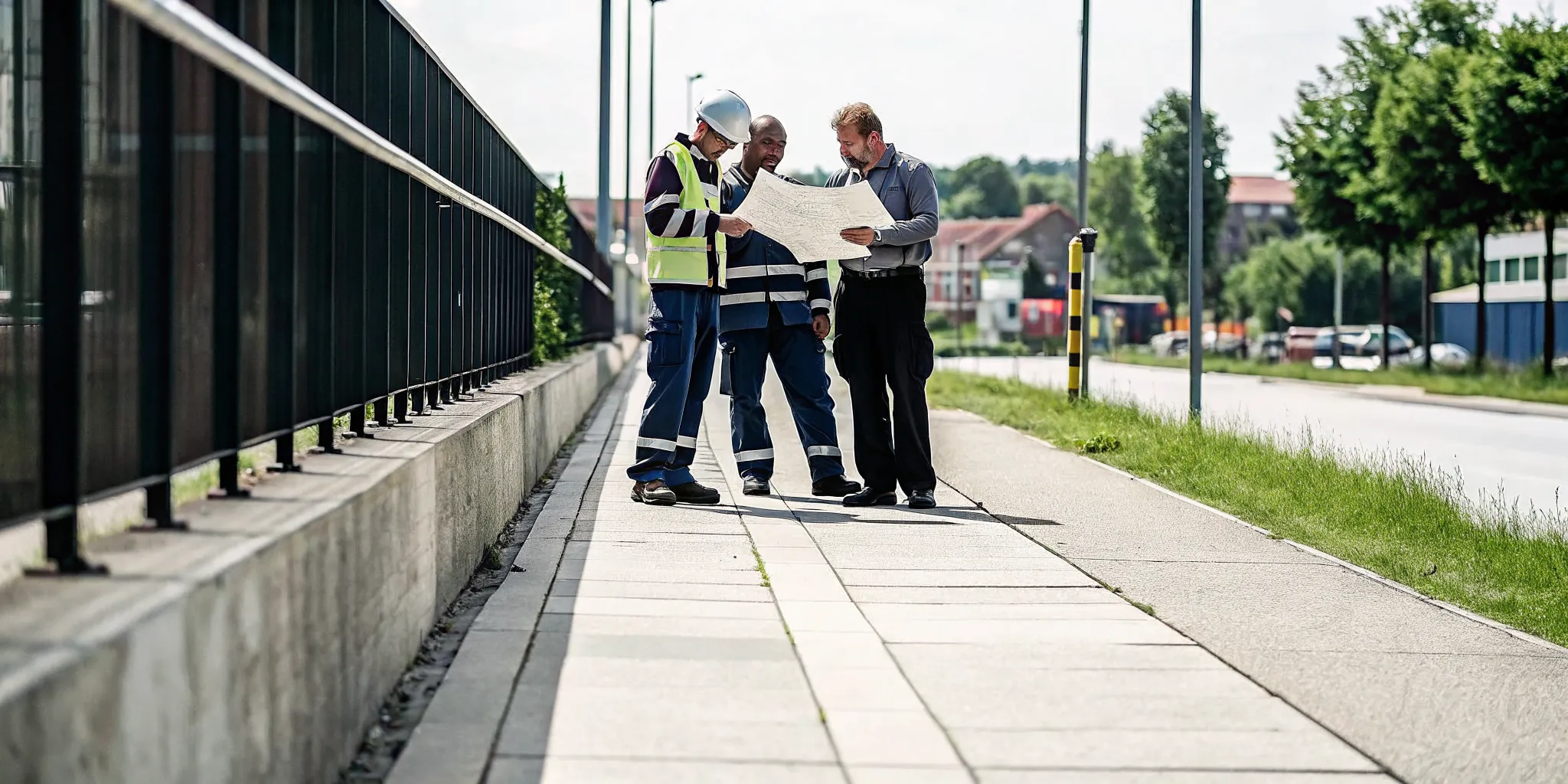
Mapped priorities help public works and finance teams build a clear multi-year capital program.
Make the sidewalk budget defensible and procurement-ready
A sidewalk budget must stand up to hard questions from city leaders and the public. To make your plan defensible, you need more than just a total cost. You must provide a clear scope of work that shows where and why repairs are happening. Taking a data-driven path helps you move from reactive fixes to a better plan. This ensures every dollar spent is backed by a clear need.
Clarify scope with GIS mapping data
Detailed mapping is the first step in building a plan for buying services. When you use GIS technology to track your list, you can show the exact locations and measured conditions of every trip hazard. This level of detail reduces guesswork in the bidding process. It gives crews a defined list of work instead of a vague area. With precise counts and locations, teams can better manage scope changes during the project.
Having a visual map also helps when talking to the town. People want to know when their streets will be safe to walk on. A map shows them that the city has a plan that covers every area. You can explain the phased plan and show progress in real-time. This openness builds trust and makes it easier to get a "yes" for future budgets. It proves that the city is taking good care of public funds by picking the areas with the highest risk first.
Set measurable rules for sidewalk repairs
Your budget should explain why you chose specific sidewalk panels for repair. Rules based on measured conditions, pedestrian exposure, accessibility, and route importance create a consistent system. You can defend your choices by showing that every location was evaluated with the same framework.
A unit-based scope can also make procurement easier to evaluate. The bid package should define the repair categories, estimated quantities, locations, completion requirements, and reporting deliverables. Procurement staff can then compare responsive bids against the same scope and adjust quantities to fit the approved funding.
Deliver proof of safety and completion
Defensible budgets also need a clear trail of completion records. Once the work is done, the municipality should verify the result against the project specifications. Digital records show what was completed, where it occurred, and when it was inspected. They also provide better inputs for the next planning cycle.
These records serve as a strong defense if a legal claim ever reaches a courtroom. It proves that the city was aware of its sidewalk state and took steps to fix it. Final reports provide the evidence needed to show that the work met all rules and safety codes. A typical package includes:
GPS maps showing every hazard removed.
Before and after photos of the work.
The exact slope measurements for each cut.
Date and time stamps for each repair.
By including these records, you show the project is part of a long-term care plan. This makes the buying process ready for any audit or review.
Use GIS reporting to keep the plan current
Static maps and old paper lists become less useful as conditions and projects change. A strong maintenance plan needs current data. Geographic Information System (GIS) tools give teams a clear view of the sidewalk network, completed work, and remaining priorities. Precision Concrete Cutting combines assessment, cutting, and GIS reporting within its trip hazard removal services.
Real time work tracking
Precision Concrete Cutting maps trip hazards before work begins and documents completed cutting. The resulting record connects locations with completed work. This gives public works and finance teams a shared view of project status and remaining priorities.
This level of detail supports sidewalk repair budget planning by showing where work was completed and which needs remain. GIS mapping increases clarity across public works tasks. It also helps teams explain how completed work aligns with the adopted priority framework.
Data for future budget needs
Good reporting does more than just show past work. It also helps you plan for next year. By looking at trends in your GIS data, you can see which areas of town break down the most. This helps you set aside funds for big fixes before they become big, costly problems. You can use these facts to ask for the right amount of money in your capital plan.
Sharing data makes it easy for city offices to work together. When the water or road crews know where the sidewalk repairs are, they can avoid digging up new work. This keeps your costs low and stops wasted effort. Using a data driven path for sidewalk health helps you keep your budget on track for the long term.
A clear record of safety
Good records are a key part of managing an accessibility program. Keeping a record of each completed repair shows that the municipality is taking ongoing action. GIS reports can help teams track progress and identify what should enter the next phase.
These reports also support risk management. A log of assessment and repair work shows that the city has a process to find, prioritize, and address trip hazards. Legal and risk teams can determine how those records should be retained and used.
Using these digital tools helps you manage your assets better. You can see a full map of your hazards and the status of each one.
It finds which hazards are the most dangerous.
It tracks when and where work was done.
It shows if the new slope meets all safety rules.
It helps you talk to the public about your plans.
This clear record makes it easier to update your plan every year.
Frequently Asked Questions
How do you estimate costs for municipal sidewalk repair?
Estimating repair costs starts with a full assessment of sidewalk assets. Classify each location by defect type and appropriate repair method, then request current unit pricing for the defined scope. Include allowances for replacement, accessibility work, traffic control, restoration, reporting, and contingencies that apply to the project.
How do you prioritize sidewalk repairs within a limited municipal budget?
Most cities use risk data to pick which repairs to do first. High traffic areas like schools and hospitals are usually top priorities. According to the Department of Justice, local governments must make their services accessible to people with disabilities. Using hazard data helps you find the most dangerous spots. This lets you fix the worst trips first while staying within your budget limits.
Why is precision concrete cutting more cost-effective than sidewalk replacement?
Precision concrete cutting removes a suitable trip hazard while preserving the existing slab. Full replacement requires removal, disposal, forming, and a new concrete pour. The right choice depends on the condition at each location, so an assessment should separate candidates for cutting from panels that require replacement or reconstruction.
What role does GIS technology play in sidewalk budget planning?
GIS technology helps city managers map every sidewalk hazard in a digital system. This data shows you exactly where the problems are located. You can see how much work is needed and track your progress over time. Having clear maps and data makes it easier to ask for funds. It also helps you plan phased repair projects that match your long term goals and budget.
Ready to request your sidewalk assessment and budget plan?
An actionable plan begins with a consistent assessment. Precision Concrete Cutting can help your team map trip hazards, identify appropriate cutting candidates, and document completed work. The resulting data supports phased scopes and more informed capital requests.
Ready to start? Call 1-877-224-0025 to request a sidewalk assessment and actionable budget plan.



Comments