Why Hire Specialized HOA Concrete Repair Contractors?
Updated: Oct 6
When you need a specialized task done, you hire a specialist. You wouldn't ask a general handyman to service the community pool’s complex filtration system, so why would you treat your concrete any differently? The truth is, sidewalk repair is a science. It involves understanding soil composition, drainage, and the specific legal requirements of the Americans with Disabilities Act (ADA). Choosing a general contractor for this work often leads to temporary fixes and recurring problems. We’ll explain the critical differences between a generalist and a specialist, and provide a clear roadmap for finding qualified HOA concrete repair contractors who get the job done right the first time.
Key Takeaways
- Prioritize proactive maintenance
: Make it a habit to walk your property and look for early warning signs like small cracks or uneven slabs. Catching these issues early is the best way to avoid expensive repairs and keep your community safe.
- Partner with a concrete specialist
: A specialized contractor understands the unique needs of HOAs, including ADA compliance. They offer targeted solutions like trip hazard removal that save money and minimize disruption, so always check for specific experience, licensing, and insurance.
- Budget strategically using data
: Treat concrete upkeep as a planned expense by setting aside reserve funds. Work with a contractor who uses tools like GIS data to create a clear, long-term maintenance plan that helps you prioritize repairs and manage your budget effectively.
What Concrete Problems Do HOAs Face?
As an HOA board member or property manager, you know that well-maintained common areas are essential for resident satisfaction and property values. Concrete sidewalks, patios, and walkways are a huge part of that curb appeal, but they also present some of the most common and persistent maintenance challenges. Over time, even the best-laid concrete will start to show its age. Understanding the specific issues that can arise is the first step toward creating a smart, proactive maintenance plan that protects your community and your budget.
Cracks and Surface Wear
It’s easy to dismiss small cracks or a bit of rough-looking concrete as simple wear and tear, but these issues are often the first signs of bigger problems. Constant exposure to the elements, freeze-thaw cycles, and even daily foot traffic can cause the surface to break down. You might notice fine-line cracks, or you could see more advanced spalling, where the concrete starts to flake and pit. While these might seem like cosmetic flaws at first, they allow water to penetrate the slab, which can accelerate deterioration and lead to more significant structural damage down the road.
Uneven Slabs and Trip Hazards
An uneven sidewalk is more than just an eyesore; it’s a serious liability. When concrete slabs settle or shift over time, they create uneven joints that become dangerous trip hazards. A raised edge of just a quarter-inch is enough to cause a fall, potentially leading to injuries and costly legal claims against the HOA. Addressing these hazards promptly is crucial for resident safety and risk management. It is far more affordable to repair an uneven slab early on than it is to replace an entire section of sidewalk or deal with the aftermath of an accident.
Damage from Tree Roots
The beautiful, mature trees that add so much value to a community can also be a primary cause of concrete damage. As trees grow, their roots expand and search for water, often pushing directly against and underneath sidewalks and patios. This powerful, slow-moving force can easily lift heavy concrete slabs, causing them to crack, tilt, and become uneven. While tree roots are a common culprit, other environmental factors like shifting clay soils or sun exposure can also contribute to this kind of upheaval, turning a perfectly flat walkway into a hazardous obstacle course.
Water Damage and Poor Drainage
Water is one of the biggest threats to the longevity of your concrete surfaces. When an area has poor drainage, rainwater and irrigation runoff can pool on sidewalks and patios. This standing water can seep into the porous concrete, and in colder climates, it can freeze and expand, causing cracks to form and widen. Over time, excessive water can also erode the soil base beneath the slab, leading to sinking, instability, and even more uneven surfaces. Proper sealing services can help protect concrete from water intrusion, but addressing the root cause of poor drainage is key to a long-term solution.
Why You Can't Afford to Ignore Concrete Repairs
Putting off concrete repairs might seem like a way to save money in the short term, but it’s a decision that often leads to much bigger problems. Deferred maintenance doesn't just go away; it grows. A small crack can become a gaping hole, and a slightly uneven slab can turn into a major liability. For any HOA or property manager, ignoring concrete issues is a gamble with high stakes, affecting everything from your budget to your residents' safety and the value of the property itself. Proactive maintenance isn't just about appearances; it's a critical part of responsible property management.
Short-Term Savings vs. Long-Term Costs
It’s tempting to postpone repairs to keep the current budget in check, but this approach almost always backfires. As one industry expert puts it, "It’s cheaper to repair cracks and potholes early than to replace the whole paved area later." A minor crack can be sealed quickly and affordably. But once water seeps in, freezes, and expands, that small crack turns into a major break. What could have been a simple fix now requires extensive work or even a full slab replacement. Addressing issues like trip hazard removal as soon as they appear is the most cost-effective strategy for long-term sidewalk health.
Liability Risks and Legal Trouble
Uneven sidewalks and broken concrete are more than just an eyesore; they are serious safety hazards. As a property manager or HOA board member, your responsibility is to "keep everyone safe and reduce legal risks." A trip-and-fall incident can lead to painful injuries for a resident and a costly lawsuit for the association. Neglecting known hazards can be interpreted as negligence, making your organization vulnerable to legal action. Ensuring all walkways are safe and accessible isn't just good practice, it's a fundamental duty that protects both your community members and your finances by maintaining ADA-compliant sidewalks.
The Effect on Property Values
The overall appearance of a community has a direct impact on its property values. Cracked, crumbling, and uneven sidewalks send a message of neglect that can deter potential buyers and frustrate current residents. On the other hand, well-maintained common areas contribute to a positive, welcoming atmosphere. Professional concrete repairs can "improve the look of your property, remove dangers, and increase your home's value without needing a full replacement." Clean, safe sidewalks enhance curb appeal and show that the community is cared for, making it a more desirable place to live.
Rising HOA Insurance Premiums
Insurance providers are all about risk assessment. When they see deferred maintenance and unresolved safety hazards, they see a higher likelihood of future claims. As one management company notes, "If repairs are put off, small problems can become very expensive and dangerous," and insurers take notice. An increase in trip-and-fall claims, or even just the visible presence of hazards, can lead to a significant hike in your HOA's insurance premiums. In some cases, an insurer might even refuse to renew your policy. Using GIS-based sidewalk data to manage and document repairs can demonstrate proactive oversight and help keep insurance costs under control.
Key Services to Look for in a Concrete Repair Contractor
When you're vetting a concrete contractor, it’s important to understand the specific services they offer. A general handyman might be able to patch a crack, but HOA properties require a more specialized approach to ensure safety, compliance, and longevity. The right contractor will offer a suite of services designed to address the root cause of concrete issues, not just the surface-level symptoms. Look for a partner who can provide comprehensive solutions that protect your residents and your budget. A specialist understands the unique challenges HOAs face, from liability concerns to the need for minimal disruption to the community. They bring the right equipment and expertise to do the job correctly the first time, saving you from costly rework and headaches down the line.
Trip Hazard Removal
Uneven sidewalk panels are one of the most common and dangerous issues in any community. They create significant liability risks from trips and falls. A qualified contractor should offer precise trip hazard removal services that eliminate uneven edges without requiring a full replacement of the slab. This process is often faster, less disruptive, and more cost-effective than tearing out and repouring concrete. By cuts down the raised edge to create a smooth, level surface, this service immediately makes your walkways safer for all residents, from kids on scooters to seniors taking an evening stroll. It's a targeted fix that addresses the immediate danger efficiently.
Slab Lifting and Leveling
Sometimes, an entire concrete slab sinks or settles, creating a noticeable dip or slope. This is often caused by soil erosion or compaction underneath. Instead of replacing the whole slab, a contractor can use slab lifting and leveling techniques, like mudjacking or poly-jacking, to fix the problem. This involves injecting a material beneath the slab to raise it back to its original position. It’s a great solution for sunken driveway sections, patios, or pool decks. This method corrects the issue at its source and is far less intrusive and expensive than a complete demolition and replacement, getting your common areas back in service much faster.
Crack Repair and Resurfacing
Small cracks might seem like a minor cosmetic issue, but they are entry points for water. Over time, water intrusion can erode the base beneath the slab and, in colder climates, lead to significant damage from freeze-thaw cycles. A good contractor will offer professional crack repair and sealing to stop this process. For surfaces with extensive cracking or spalling, concrete resurfacing can be a great option. This involves applying a new top layer to the existing concrete, giving it a fresh, uniform appearance and extending its functional life without the cost of a full replacement.
ADA-Compliant Solutions
Ensuring your community is accessible to everyone is not just good practice; it's a legal requirement. Your common areas, including sidewalks, ramps, and curb cuts, must meet the standards of the Americans with Disabilities Act (ADA). A specialized contractor will have deep knowledge of these regulations and can provide ADA-compliant sidewalk solutions. This includes ensuring pathways have the correct width, slope, and surface texture. Hiring a contractor who understands ADA requirements is critical for avoiding potential fines and lawsuits while creating a truly inclusive and welcoming community for all residents and visitors.
Preventative Sealing and Treatments
The best way to manage concrete repairs is to prevent them from being needed in the first place. Applying a professional-grade sealant is one of the most effective preventative measures you can take. A quality sealant creates a protective barrier that shields your concrete from water penetration, UV rays, oil stains, and de-icing salts. This simple treatment can dramatically extend the life of your sidewalks, driveways, and patios by preventing cracks, spalling, and discoloration. Ask your contractor about their preventative maintenance programs; a small investment in sealing now can save you from major repair costs down the road.
Why Hire a Specialized Concrete Contractor?
When you’re facing cracked or uneven sidewalks, your first instinct might be to call a general contractor you already have a relationship with. While they can handle a wide range of jobs, concrete repair, especially for community sidewalks, is a field all its own. Choosing a specialist isn't about being difficult; it's about being smart with your budget and responsible for your community's safety. A specialized concrete contractor brings a depth of knowledge that a generalist simply can't match. They understand the nuances of local soil conditions, master the specific requirements for public accessibility, and use techniques designed for longevity, not just a quick cosmetic patch.
This expertise translates into significant advantages. A specialist can often identify the root cause of a problem, like poor drainage or invasive tree roots, and recommend a solution that prevents the issue from recurring. They also have access to specific equipment and methods that are more efficient and less disruptive than a full tear-out and replacement. Ultimately, hiring a specialist is an investment in quality and compliance. They provide a precise, compliant, and long-lasting solution that protects your budget, minimizes liability, and keeps your community safe and accessible for everyone.
The Risks of a General Contractor
A general contractor might see a cracked sidewalk and immediately suggest a full tear-out and replacement. While that’s one way to solve the problem, it’s often the most expensive and disruptive. Specialists, on the other hand, know that you can often restore concrete without replacing it. They have the tools and techniques for precise trip hazard removal and slab leveling, which saves money, time, and a lot of headaches for residents. A generalist may not have the expertise to diagnose the root cause of the damage, leading to a repair that fails within a few years. A specialist focuses on delivering a durable repair that addresses the underlying issue, preventing you from paying for the same fix twice.
Meeting ADA and Regulatory Standards
Ensuring your sidewalks are safe for everyone is not just good practice; it’s the law. The Americans with Disabilities Act (ADA) has strict guidelines for everything from the slope of a walkway to the maximum height of a lip between concrete slabs. A general contractor may not be familiar with these specific requirements, putting your HOA or municipality at risk of fines and liability lawsuits. A specialized contractor lives and breathes these regulations. They know how to create ADA-compliant sidewalks that are accessible for everyone, including those using wheelchairs or walkers. Hiring an expert gives you peace of mind that your community is not only safe but also fully compliant.
Long-Term Support and Maintenance
Concrete repair shouldn't be a one-and-done transaction. The best approach is proactive, not reactive. A specialized contractor can become a long-term partner in maintaining your property’s value and safety. They understand that regular maintenance, like sealcoating and addressing small cracks early, helps paved areas last longer and prevents minor issues from turning into major expenses. This ongoing support is essential for the longevity of your concrete surfaces. By establishing a routine maintenance plan, you can extend the life of your sidewalks and manage your budget more effectively, avoiding the shock of a sudden, costly replacement project down the road.
Using Data for Smarter Sidewalk Management
The most advanced concrete contractors don't just rely on a visual inspection. They use technology to make informed decisions. By using tools like GIS mapping, a specialist can create a detailed inventory of all your sidewalks, pinpointing every crack, uplift, and potential trip hazard. This GIS-based sidewalk data allows you to see the big picture, prioritize repairs based on severity and usage, and create a strategic, multi-year maintenance plan. This data-driven approach takes the guesswork out of sidewalk management, helping you allocate your funds more efficiently and justify expenses to your board or stakeholders with clear, objective information. It transforms your maintenance from a reactive chore into a strategic asset management program.
How to Spot Concrete Damage Early
Catching concrete problems early is one of the best things you can do for your property’s budget and your residents’ safety. A small crack or a slightly uneven slab might seem minor, but these issues rarely fix themselves. Over time, they can grow into significant hazards that demand expensive, disruptive repairs. By making routine visual inspections a part of your maintenance schedule, you can identify and address problems before they escalate.
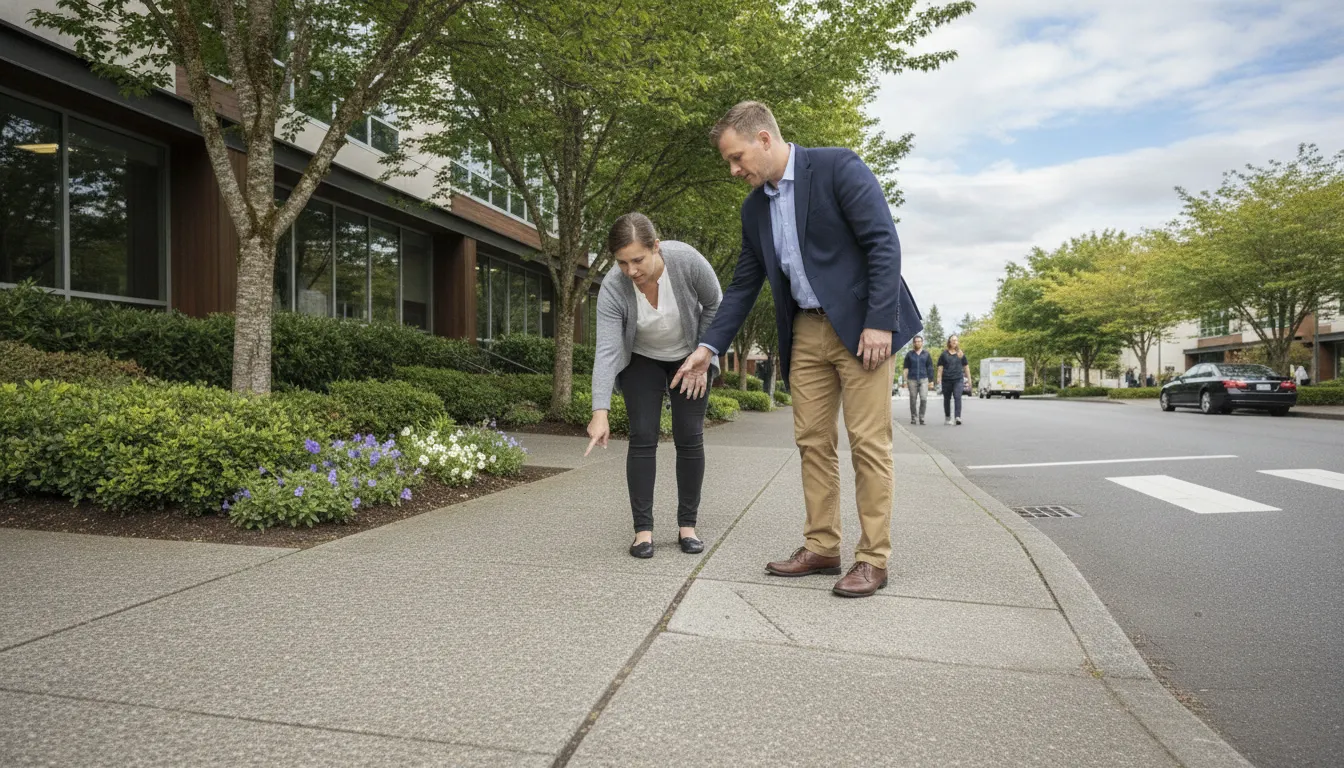
Think of it as preventative care for your property. A quick walk-through can reveal the early signs of trouble, giving you time to act. Addressing a small issue now is far more manageable than dealing with a major trip hazard removal project down the line. This proactive approach not only saves money but also demonstrates a commitment to maintaining a safe and attractive community for everyone. It’s about staying ahead of the curve instead of reacting to emergencies.
Your Visual Inspection Checklist
Knowing what to look for is the first step. When you walk your property, keep an eye out for the common culprits of concrete damage. Many issues are caused by things happening right under the surface, like shifting soil, invasive tree roots, or water seeping into the concrete and weakening it.
Grab a notepad and check for these specific signs:
- Cracks:
Look for hairline fractures as well as larger, more obvious cracks.
- Uneven Slabs:
Notice any sections of the sidewalk that are lifted or sunken compared to the adjacent panel.
- Spalling or Pitting:
Check for crumbling surfaces where the top layer of concrete is flaking away.
- Water Pooling:
Pay attention to areas where water collects after it rains, as this indicates poor drainage and potential for future damage.
Knowing When to Call a Professional
Once you’ve spotted an issue, the next question is whether you can ignore it or if it’s time to call for help. While a tiny hairline crack might not be an immediate emergency, significant damage warrants a professional opinion. If you see wide cracks, crumbling edges, or uneven slabs that could easily trip someone, it’s best to consult an expert.
A specialized contractor can assess the situation and often restore the concrete without a full replacement, which saves you money and minimizes disruption for residents. They also ensure that any repairs meet safety standards, helping you maintain ADA-compliant sidewalks. Don’t wait for a small problem to become a liability; getting a professional evaluation is a smart, preventative move.
Scheduling Routine Assessments
To make sure nothing slips through the cracks, formalize your inspection process by scheduling routine assessments. Whether you do it quarterly or twice a year, putting it on the calendar ensures it gets done. For a more thorough analysis, consider having a professional contractor perform an annual evaluation. They have the trained eye to spot subtle issues you might miss and can provide a detailed report on the condition of your property’s concrete.
This professional input is invaluable for long-term planning. Some contractors even offer GIS-based sidewalk data management, which gives you a clear, data-driven overview of your assets. This information helps you prioritize repairs and budget for future maintenance, turning your reactive repair cycle into a strategic management plan.
How to Budget for Concrete Repairs
Planning your budget for concrete repairs is a crucial part of responsible property management. Unexpected concrete issues can lead to surprise costs and frustrated residents, but a clear financial plan can turn a potential crisis into a manageable task. By thinking ahead, you can stay on top of maintenance, keep your community safe, and protect your property’s value. Here’s how you can get started.
Allocating Reserve Funds for Maintenance
Just as your HOA sets aside savings for big projects like new roofs, your concrete surfaces deserve the same attention. Allocating a portion of your reserve funds for sidewalk maintenance is a smart financial move that helps you avoid levying unpopular special assessments on homeowners. By planning for these expenses, you ensure you have the money ready for routine upkeep or unexpected repairs. This foresight not only helps maintain property values but also demonstrates responsible governance to your community members. A well-funded maintenance plan is the foundation of a safe and attractive property.
Repair vs. Replace: A Cost Breakdown
One of the biggest questions in budgeting is whether to repair or replace damaged concrete. Full replacement is disruptive, messy, and expensive. Fortunately, it’s often unnecessary. Modern techniques can restore concrete without a complete tear-out, saving you significant money and minimizing inconvenience for residents. For instance, specialized trip hazard removal can correct uneven slabs quickly and efficiently. A professional contractor can assess the damage and determine the best course of action. Replacement should be reserved for situations where the concrete's structural integrity is severely compromised or the damage is too widespread for a targeted fix.
Getting and Comparing Quotes
Once you’ve identified an issue, the next step is to get a clear picture of the cost. Reach out to a few qualified contractors to request a detailed quote and consultation. A trustworthy quote should do more than just give you a final number; it should break down the costs, outline the proposed repair methods, and provide a clear timeline. While it’s tempting to go with the lowest bid, price shouldn’t be your only consideration. The cheapest option might cut corners on materials or safety standards. Instead, look for a contractor who offers a fair price and demonstrates a deep understanding of your property’s specific needs, including any ADA-compliant sidewalk requirements.
How to Choose the Right Concrete Contractor
Selecting a concrete contractor for your HOA is a big decision. The right partner won’t just fix a problem; they’ll provide a lasting solution that protects your community’s safety and finances. A great contractor acts as a true partner, understanding the unique challenges HOAs face, from resident communication to budget constraints and strict compliance standards. Making the right choice means fewer headaches for the board, safer walkways for residents, and a well-maintained property that holds its value.
Think of this as your checklist for vetting potential contractors. Going through these steps will help you find a professional who can deliver quality work on time and on budget, ensuring your community’s concrete assets are in good hands for years to come. It’s about moving beyond a simple repair and investing in a long-term strategy for your property.
Check for Licenses, Insurance, and Certifications
Before you even look at a quote, your first step is to verify a contractor's credentials. This is non-negotiable. A valid license proves they are registered and permitted to work in your area, meeting local and state requirements. Next, ask for proof of insurance, specifically general liability and workers' compensation. This is crucial because it protects the HOA from any liability if an accident or property damage occurs during the project. Don’t just take their word for it; get a copy of their insurance certificate. Finally, look for specialized certifications. These show a commitment to industry best practices and a deeper level of expertise, especially for services like ADA-compliant sidewalk solutions.
Look for HOA and Municipal Experience
Working in an HOA community is different from a standard residential job. A contractor with specific HOA and municipal experience will understand the nuances of working within your community’s rules, communicating with residents, and minimizing disruptions. They know the importance of maintaining a clean and safe work site. Ask potential contractors for references from other HOAs or property managers they’ve worked with, and then actually call them. This experience is also vital for ensuring that all repairs, especially on public-facing walkways, meet local codes and regulations. A contractor who regularly performs trip hazard removal for municipalities will already be familiar with these standards.
Set Clear Expectations
A smooth project starts with clear communication and a detailed plan. A reputable contractor will provide a comprehensive, itemized proposal that outlines the exact scope of work, the materials they will use, a project timeline, and a complete cost breakdown. There should be no vague language or hidden fees. Before work begins, establish a clear communication plan. Who is your main point of contact? How often will you receive updates? A professional will welcome this transparency. This is also where technology can make a difference. Contractors who use GIS-based sidewalk data can provide more accurate assessments and efficient project plans, helping you manage your assets more effectively.
Red Flags to Watch For
Knowing what to look for in a good contractor also means knowing how to spot a bad one. Be wary of any company that offers a quote that is dramatically lower than all the others; this can be a sign of cut corners, subpar materials, or inexperience. High-pressure sales tactics are another major red flag. A professional will give you the space and information you need to make a considered decision for your community. Also, be cautious of contractors who are hesitant to provide their license number, proof of insurance, or a list of references. If their proposal is vague or they demand a large cash deposit upfront, it’s best to walk away.
Related Articles
Precision Concrete Cutting | ADA-compliant Sidewalk Repair | GIS-based sidewalk data
Professional Sidewalk Repair in Dayton | Precision Concrete Cutting
Sidewalk Repair in Herriman | Precision Concrete Cutting
Sidewalk Repair in Mesa | Precision Concrete Cutting
Frequently Asked Questions
Is it really cheaper to repair concrete than to just replace it? In most situations, yes. Tearing out and repouring an entire concrete slab is a disruptive and expensive process. Specialized repairs, such as cuts down a trip hazard or leveling a sunken slab, target the specific problem without the need for a full demolition. This approach is not only more affordable but also much faster, meaning your community's common areas are back in service with minimal inconvenience. Full replacement is typically only the best option when a slab is structurally compromised beyond repair.
How serious is a small, uneven sidewalk slab? It’s more serious than it might appear. A raised edge of just a quarter-inch can be classified as a trip hazard, which creates a significant liability risk for your HOA. A simple trip-and-fall incident can result in serious injuries for a resident and lead to costly legal claims against the association. Promptly addressing these hazards is a fundamental part of responsible property management that protects your residents and your budget.
What's the real difference between a general contractor and a concrete specialist? A general contractor might see an uneven slab and immediately suggest a full replacement, as that may be the only solution they offer. A concrete specialist, however, brings specific tools and expertise for more precise and efficient fixes. They understand the root causes of concrete failure and know how to perform services like slab leveling or trip hazard removal. More importantly, a specialist is an expert in ADA regulations, ensuring your walkways are safe, accessible, and legally compliant.
My sidewalks look fine now. What can I do to keep them that way? Being proactive is the best way to protect your investment. The most effective preventative measure is having your concrete professionally sealed. A quality sealant creates a barrier against water intrusion, which is a leading cause of cracks and deterioration. It also protects the surface from stains and damage from de-icing salts. Pairing this treatment with routine visual inspections allows you to catch and address any minor issues before they become major problems.
I think my community has some concrete issues. What's the very first thing I should do? Start by performing a simple visual inspection. Walk the property and make a note of any visible cracks, uneven sections, crumbling surfaces, or areas where water tends to pool. Once you have a basic list, your next step should be to contact a specialized concrete contractor for a professional evaluation. They can assess the severity of the issues, explain your repair options, and provide the detailed information you need to create an effective and budget-conscious plan.



kèo nhà cái hôm nay mình thấy nhiều người nhắc nên cũng tò mò bấm vào xem thử giao diện thế nào. Mình không tìm hiểu sâu nội dung, chỉ lướt qua cho biết cách họ sắp xếp thông tin thôi. Cảm giác đầu tiên là bố cục khá thoáng, các mục được gom theo nhóm nhìn phát hiểu ngay chứ không bị nhồi chữ. Mình thích kiểu họ trình bày dạng khối rõ ràng, kéo xuống là thấy từng phần tách bạch nên đỡ mất công tìm. Menu để chỗ dễ nhìn, bấm qua lại giữa các trang cũng mượt, không phải mò mẫm nhiều. Nói chung ai chỉ cần xem nhanh để nắm cấu trúc trang thì ổn,…
Bài viết đọc khá rõ ràng, cảm ơn bạn đã chia sẻ; bạn mình cũng vừa gửi link cho mình xem. Dạo này mình hay để ý mấy nền tảng giải trí trực tuyến nên vào xem thử họ sắp xếp giao diện thế nào, chủ yếu nhìn cách chia mục và hiển thị thông tin chứ không đào sâu từng trò. Mình tiện tay gom lại vài chỗ để tra nhanh, ai cần thì ghé https://schoolido.lu/user/Soicauxsmbpro/