Concrete Leveling Cost: A Complete Price Breakdown
Updated: Oct 12
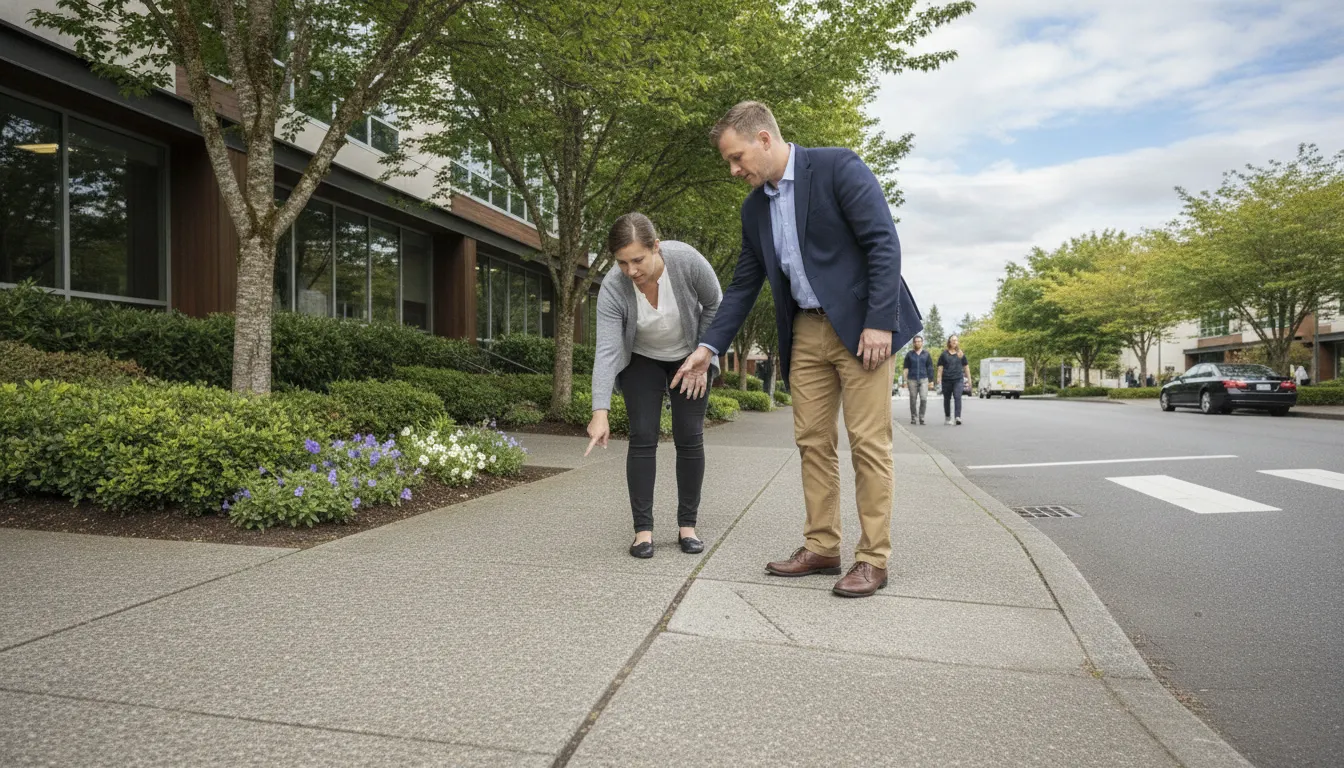
Before you get a quote for a full concrete tear-out and replacement, it’s important to explore a much more budget-friendly option: concrete leveling. This repair method can save you between 50% and 70% compared to the cost of pouring new concrete. But what exactly goes into the price of lifting a sunken slab? The final concrete leveling cost depends on several variables, including the size of the area, the extent of the damage, and the specific technique used for the repair. In this guide, we’ll demystify the pricing process, comparing the costs of different methods and outlining the factors contractors consider when preparing an estimate, helping you see why leveling is often the superior financial choice. ## Key Takeaways * **Leveling is the cost-effective choice**: Opting to level your existing concrete is a practical financial decision, typically costing 50% to 80% less than a full replacement while still fixing dangerous trip hazards. * **Look beyond square footage for accurate pricing**: A final quote is based on the severity of the damage, site accessibility, and contractor minimums, not just the size of the slab you need repaired. * **A lasting fix requires a pro and proper care**: To ensure your repair lasts, hire a licensed and insured contractor who can help you address the root cause of the sinking, like poor water drainage, for a long-term solution. ## What is concrete leveling? Concrete leveling is a repair method used to fix sunken or uneven concrete slabs. Think of it as a lift, not a replacement. Instead of going through the costly and disruptive process of tearing out and replacing the entire slab, leveling lifts the existing concrete back into its correct position. The process is surprisingly straightforward: a technician drills small, strategic holes into the sunken slab and pumps a specialized material underneath to fill voids and raise it. This technique works for all kinds of concrete surfaces, from public sidewalks and driveways to patios and warehouse floors. The primary reason concrete sinks is due to changes in the soil beneath it. Voids can form from soil erosion, water washout, or natural compaction over time. When the soil can no longer support the weight of the concrete, the slab settles and sinks, creating an uneven and potentially dangerous surface. Choosing to level your concrete is a smart, proactive approach to maintenance. It addresses the root of the problem by stabilizing the soil base. It's also significantly more affordable than a full replacement, often saving property owners between 50% and 70% on repair costs. More importantly, it’s a fast and effective way to handle [trip hazard removal](https://www.safesidewalks.com) and restore safety to your property without the downtime and mess of a major construction project. ### Signs your concrete needs leveling You don’t have to be an expert to spot the signs of sinking concrete. The most obvious clue is a visible height difference between two adjoining concrete slabs, creating a lip or ledge. You might also notice cracks spreading across the surface, which often indicates the slab is under stress from uneven support. Another common sign is water pooling in certain areas after it rains. This suggests the concrete has shifted and is no longer sloped correctly to allow for proper drainage. Sinking or tilted concrete steps are also a major red flag. If you see any of these issues on your property, it’s a clear signal that the underlying soil has shifted and the concrete needs attention. ### How uneven concrete creates safety risks An uneven concrete slab is more than just an eyesore; it's a significant safety liability. Those small ledges and cracks create trip hazards that can lead to falls and serious injuries, especially in high-traffic areas like public sidewalks or commercial entryways. For municipalities and property managers, these hazards can result in personal injury claims and legal complications. Ignoring these issues doesn’t make them go away. In fact, they often worsen over time as the soil continues to shift. Proactively leveling your concrete is a critical step in risk management. It ensures your walkways are safe, accessible, and meet legal standards for public spaces. Maintaining [ADA-compliant sidewalks](https://www.safesidewalks.com) is not just about following regulations; it’s about providing safe passage for everyone in your community. ## Comparing concrete leveling methods and costs When you're dealing with uneven concrete, you have a few options to lift it back into place. Each method has a different process, price tag, and set of benefits. Understanding these differences is key to choosing the right solution for your property, whether you're managing a commercial complex or maintaining city sidewalks. Let's break down the most common concrete leveling techniques. ### Mudjacking: Process and typical costs Mudjacking is a traditional method that involves pumping a slurry of soil, sand, and water beneath a sunken concrete slab to raise it. It’s often the most affordable choice, with costs typically ranging from $585 to over $5,400. While the lower upfront price is appealing, this method has some drawbacks. The slurry is heavy, which can strain the underlying soil, and it may not fill every void completely. This can lead to the slab settling again over time, creating another [trip hazard](https://www.safesidewalks.com). For minor issues or tight budgets, it can be a practical fix, but it's important to weigh long-term stability against the initial savings. ### Polyjacking: Benefits and typical costs Polyjacking, or foam lifting, is a modern approach that uses a high-density polyurethane foam injected beneath the slab. The foam expands, lifting the concrete and filling any voids. This method is generally the most expensive, with costs ranging from $875 to more than $8,100. However, the higher price comes with significant benefits. The foam is lightweight, waterproof, and cures in minutes, minimizing downtime for high-traffic areas and helping maintain ADA-compliant sidewalks. The injection holes are also much smaller and less noticeable. For long-lasting results and minimal disruption, many property managers find polyjacking a worthwhile investment. ### Stone slurry grout leveling: Process and typical costs Stone slurry grout leveling offers a middle ground between mudjacking and polyjacking. This technique uses a mixture of pulverized limestone and water to create a grout that is pumped under the concrete. Costs typically fall between $750 and $6,000, with many projects landing in the $1,100 to $1,500 range. The stone slurry provides a solid, stable base that is more durable and less prone to erosion than mudjacking material. It’s a strong choice for a reliable, long-term repair that is more cost-effective than polyjacking, especially when managing extensive [sidewalk data](https://www.safesidewalks.com) and maintenance budgets. ## What factors influence concrete leveling costs? When you get a quote for concrete leveling, the final number is based on more than just the size of the slab. Several factors contribute to the overall cost, and understanding them helps you see exactly what you're paying for. A professional contractor will assess your specific situation to provide an accurate estimate, taking into account the unique challenges of your project. Let's walk through the three main variables that determine the price of leveling your concrete surfaces. ### Size and accessibility of the project The most straightforward factor is the size of the job. A larger concrete slab, like a long walkway or a patio, will naturally require more material and labor to lift compared to a single sidewalk panel. However, it's not just about square footage. Accessibility is also a major consideration. If the uneven slab is in an open, easy-to-reach area, the job will be simpler and faster. But if crews need to work in a tight space, navigate around landscaping, or carry equipment through a building, the added time and effort will be reflected in the cost. This is especially true for managing public walkways where trip hazard removal is needed in high-traffic or constricted areas. ### The extent of the damage The severity of the sinking or settling plays a huge role in the final price. A small concrete slab with a deep void underneath might cost more to repair than a larger slab that has only sunk slightly. Contractors look at how much the slab needs to be lifted and how large the empty space is beneath it. A significant drop requires a lot more leveling material to fill the void and stabilize the concrete. If you have multiple problem spots or widespread settling across a property, the complexity of the repair increases, which in turn affects the cost. Addressing these severe issues is critical for maintaining ADA-compliant sidewalks and ensuring public safety. ### Your location and local rates Where your property is located can significantly influence the cost of concrete leveling services. Just like with many other professional services, prices vary from one region to another. This is due to differences in local labor wages, the cost of materials, and even fuel prices for service vehicles. You can generally expect to see higher rates in major metropolitan areas where the cost of doing business is greater compared to more rural locations. For organizations managing properties across different cities or states, it's helpful to remember that a quote in one area might not be representative of the cost elsewhere. Using tools like [GIS-based sidewalk data](https://www.safesidewalks.com) can help you track and budget for maintenance needs across your entire portfolio. ## How to budget for concrete leveling Creating a budget for concrete leveling doesn't have to be a guessing game. Once you understand the key cost components, you can plan with confidence and make an informed decision for your property. We'll break down what you can expect to pay, from average project rates and minimum fees to how leveling stacks up against a full replacement. This will help you see why repairing your concrete is often a more practical and affordable solution for maintaining safe, even surfaces. ### Average costs for common projects When you start gathering quotes, you'll find that concrete leveling is usually priced by the square foot. Most mudjacking projects fall somewhere between $3 and $8 per square foot, with [typical project costs](https://homeguide.com/costs/concrete-leveling-cost) landing between $700 and $5,000 total. Of course, this can shift based on your location and how complex the job is. Some simple projects might be as low as $3 per square foot, while polyurethane foam jobs can cost up to four times as much as mudjacking. For most standard jobs, like a driveway or patio, property owners often budget around $1,100 to $1,500. ### Factoring in minimum charges One important detail to keep in mind is the minimum charge. Many professional leveling companies have a baseline price to cover the costs of getting their crew and equipment to your property. This [minimum fee](https://www.a1concrete.com/concrete-repair-learning-center/concrete-leveling-costs) can range from $300 to $2,000, depending on the contractor. Even if your repair area is small, this charge will likely apply, so it's a crucial number to ask about when getting estimates. It ensures the company can cover its operational expenses while still providing high-quality service for jobs of any size. ### Leveling vs. replacement: A cost breakdown You might be wondering if it's better to just replace the concrete altogether. From a budget perspective, leveling is almost always the smarter choice. Opting to raise and level your existing concrete is generally 50% to 80% [less expensive](https://www.theconcretehero.com/average-cost-to-raise-and-level-concrete/) than tearing it out and pouring a new slab. For comparison, a full replacement can run from $10 to $25 per square foot. By choosing leveling, you're not only saving a significant amount of money but also efficiently handling issues like trip hazard removal without the time and disruption of a major construction project. ## Red flags to watch for when hiring a contractor Choosing the right contractor is just as important as choosing the right repair method. A qualified professional ensures the job is done correctly and safely, protecting your investment and the people who use your sidewalks. Knowing what to look for can help you avoid costly mistakes, project delays, and subpar work. Here are the key red flags to watch for and the steps you can take to hire a reliable professional. ### Warning signs of a bad contractor A contractor who can't provide proof of proper licensing and insurance is a major red flag. They should carry both general liability and workers’ compensation to protect you from liability for accidents on your property. Another warning sign is poor communication. If they are difficult to reach or vague in their answers from the start, it’s a sign of how they’ll operate once the project is underway. Be wary of unusually low bids; they often signal cheap materials or inexperienced labor, which can create new [trip hazards](https://www.safesidewalks.com) instead of fixing them. Finally, insist on a detailed, written contract for any significant work to avoid misunderstandings down the road. ### Why you need multiple written estimates Getting at least three written estimates is a crucial step in the hiring process. This isn't just about finding the lowest price. Comparing bids allows you to see the different methods and materials each contractor proposes, giving you a better understanding of the best solution for your specific problem. It also helps you establish a baseline for fair market pricing in your area. A detailed estimate reflects a contractor's professionalism and attention to detail. If one bid is significantly different from the others, either much higher or lower, it’s a good reason to ask more questions. This process helps you make an informed decision based on value, not just cost. ### How to verify credentials and warranties Once you've narrowed down your choices, it's time to do your homework. Don't just take a contractor's word that they are licensed and insured; ask for physical proof and verify it with your local licensing board. A reputable company will be happy to provide this information. You should also ask about the warranty they offer on their work. A solid warranty shows that the contractor stands behind their quality and provides you with peace of mind. Understanding the terms, including what it covers and for how long, is essential for protecting your investment and ensuring your sidewalks remain safe and [ADA-compliant](https://www.safesidewalks.com). ## Common myths about concrete leveling costs When you're budgeting for concrete repair, it’s easy to fall for a few common myths about pricing. Understanding how contractors actually calculate their costs will help you get a more accurate picture of your potential investment. It’s not always as straightforward as a simple price-per-foot calculation. Several factors come into play, from the complexity of the repair to the basic operational costs of running a professional service. Let's clear up a couple of the biggest misconceptions so you can approach your project with confidence. ### Why cost is more than just square footage It seems logical to assume that the cost of leveling concrete is based purely on the size of the slab, but that’s rarely the case. Contractors are more concerned with the underlying problem. They look at the depth of the voids beneath the concrete and how much the slab needs to be lifted to correct the issue. A small sidewalk section with a deep, significant void might require more material and time to fix than a larger patio that has only sunk slightly. This is why a thorough inspection is crucial for an accurate estimate; it helps identify the true scope of the trip hazard removal needed. ### The reason for contractor minimums If you’ve ever requested a quote for a very small job, you may have been surprised by a minimum service fee. Most concrete leveling companies have a minimum charge, which can range from a few hundred to over a thousand dollars. This isn't to overcharge you; it’s to cover the essential costs of doing business. Mobilizing a crew, specialized equipment, and materials for any job, big or small, comes with a fixed overhead. This minimum fee ensures these operational costs are met, allowing the company to provide safe, [ADA-compliant sidewalk](https://www.safesidewalks.com) solutions for even the smallest repairs. ## Protecting your concrete after leveling You’ve invested time and money into leveling your concrete, restoring safety and appearance to your property. Now, how do you make sure that fix lasts? Protecting your newly leveled concrete is the key to maximizing your investment and preventing the same issues from cropping up again. With a little proactive care, a quality concrete leveling job can last for decades, keeping your walkways safe and your budget intact. The good news is that maintenance isn’t complicated. It’s about being mindful of what caused the concrete to sink in the first place and taking simple steps to address it. By focusing on water management and addressing the root cause of the problem, you can keep your sidewalks, patios, and driveways stable and secure for years to come. This approach not only saves you money on future repairs but also ensures your surfaces remain safe for everyone who uses them. Think of it as the final, crucial step in the repair process, one that solidifies the work you've already done. It's the difference between a temporary patch and a long-term solution for your property's infrastructure. Ignoring this step is like fixing a leaky roof without patching the hole; you're just waiting for the next storm. ### Simple care and maintenance tips Once your concrete is level, a few simple habits can keep it that way. The biggest factor is water control. Since water erosion and soil saturation are often what cause concrete to sink, managing water around the area is your top priority. Start by checking your downspouts and gutters to ensure they direct water far away from your concrete slabs. You should also seal any cracks or joints in the concrete annually with a flexible, waterproof sealant. This prevents water from seeping underneath the slab, where it can wash away the soil base. These small steps are your best defense against needing future trip hazard removal. ### Fixing the root cause for lasting results For a repair to truly last, you have to fix what caused the problem. Concrete leveling lifts the slab back into place, but it doesn’t solve the underlying issue that made it sink. Before the leveling crew even starts, it’s important to identify and address the root cause. Common culprits include poor drainage, leaky sprinkler systems, or even soil that was improperly compacted during construction. If you don’t resolve these foundational problems, you’ll likely face the same uneven concrete again. Taking the time to fix a drainage issue or repair a leaking pipe is essential for ensuring your property continues to have safe, ADA-compliant sidewalks for the long term. ## Related Articles * Professional Sidewalk Repair in Dayton | Precision Concrete Cutting * Trusted Sidewalk Repair in South Hill | Precision Concrete Cutting ## Frequently Asked Questions **Is concrete leveling a permanent solution?** A quality concrete leveling job can last for many years, often as long as the concrete itself. The key is to also address the root cause of the sinking. If the problem was poor drainage or a leaky pipe, and you fix that issue, the repair should be very long-lasting. Think of it this way: leveling stabilizes the slab, and fixing the water problem keeps it stable. **How do I choose between mudjacking, polyjacking, and stone slurry?** The best method really depends on your specific needs and budget. Polyjacking is a fantastic choice for high-traffic areas because it's lightweight and cures quickly, but it comes with a higher price tag. Mudjacking is more budget-friendly for less critical repairs. Stone slurry grout leveling often hits that sweet spot in the middle, offering great durability at a more moderate cost. A good contractor can assess your situation and recommend the most effective solution. **Why is there such a big price difference between leveling and replacement?** The cost savings come down to labor and materials. With leveling, you're using the existing concrete slab, so you avoid the expense of demolition, hauling away old material, and pouring a brand new slab. The process is also much faster, which means fewer labor hours. You're essentially paying for a targeted repair instead of a full-scale construction project. **How long does a typical concrete leveling project take?** You'll be surprised at how fast it is. Most residential projects, like a driveway or sidewalk section, can be completed in just a few hours. The concrete is usually ready for foot traffic almost immediately and for vehicle traffic within a day. This minimal downtime is a huge advantage, especially for commercial properties or public walkways where access is important. **Can you level a concrete slab that is already cracked?** Yes, in many cases you can. As long as the concrete is in relatively stable pieces and not completely crumbled, leveling is still a viable option. The process can often lift the cracked sections back into alignment. After the slab is raised, the contractor can seal the cracks to prevent water intrusion and further damage, restoring both the safety and appearance of the surface.


Comments