Who Is Responsible for Sidewalk Repair? A Guide
Updated: Sep 15
A raised sidewalk edge can turn a routine walk into an injury, a complaint, or an accessibility problem. Yet the party that owns the sidewalk is not always the party that must maintain or pay for it. To determine who is responsible for sidewalk repair, start with the local code, the property documents, and the rules that apply to the site.
Finding who is responsible for sidewalk repair depends on local laws and federal rules that keep paths safe for everyone. Title II of the Americans with Disabilities Act requires local governments to ensure paths are clear, as noted in this federal guide. However, many cities pass the cost of daily care to the person who owns the land next to the walk. This means a homeowner or business owner must pay to fix cracks and uneven edges. Home owner groups also have a duty to keep common areas safe from trip hazards to avoid legal claims. By checking your local municipal code and state laws, you can find out if the city or the owner must handle the bill for the work.
You must look at your own city rules to see how these laws apply to you. Towns handle these duties in many ways, and the costs for a mistake are high. To help you find the right path, we will look at the details of
Who is responsible for sidewalk repair?
The path begins with
Who is responsible for sidewalk repair?
Knowing who is responsible for sidewalk repair can be hard. The answer often depends on where you live and who owns the land. Local laws often split the work and cost between the city and the person who owns the adjacent property. While it may seem like a city job, most towns pass the duty to fix cracks and trips to the owner. This creates a clear legal responsibility for sidewalk maintenance that you must track.
Public and private duty
Public groups like cities and counties must make sure that paths are open to all people under the Americans with Disabilities Act (ADA). This law says that local governments must give people with disabilities a clear way to move in public areas. But many cities use local codes to shift the daily fix to the land owner. For example, in Cincinnati, the code says the owner is responsible for the walk next to their lot.
It is vital to know that local codes do not replace federal laws. Even if a city says an owner must fix the walk, the path must still meet ADA standards for accessibility. If a path is blocked or has a trip, the owner may face a lawsuit. These cases can be very costly and hurt your budget for sidewalk repairs if you do not act fast.
The split of roles
To help you see who does what, look at how roles often split. One group may own the land, but another must pay to keep it safe. Use this table to find which group handles each part of the work in most towns.
Role Type | Primary Owner | Common Duty |
Municipalities | Public right of way | Set codes and check for safety |
Property Owners | Private lot next to walk | Fix trips and pay for repairs |
HOAs | Common area paths | Keep all shared walks safe and level |
Commercial Hubs | Storefront paths | Meet ADA rules for all customers |
Ownership versus maintenance
Ownership and maintenance are not the same thing. A city may own the street and the space next to it, but the law can still make the owner pay for the fix. This is true for both homes and big stores. If a walk has a vertical trip of 1/4 inch or more, it is a hazard. You must know your local rules so you can fix these spots before they lead to a claim.
How to determine responsibility in your jurisdiction
Every town has its own rules for sidewalk care. While federal laws like the Americans with Disabilities Act set standards, local codes often decide who is responsible for sidewalk repair in your area. You must know your local laws to avoid fines and keep people safe. Knowing the rules helps you plan and lowers the risk of legal claims.
Local city codes and notices
Local laws are the first place to look for answers. In many cities, the law says the person who owns the land next to the sidewalk must keep it in good shape. For example, in Cincinnati, the city code states that property owners must care for the walk next to their land. Other cities might use tax money to fix public paths.
Checking your city site or calling the public works office is the best way to get a clear answer. Cities often send a notice when they find a trip hazard. This paper tells you that you have a set time to fix the issue. If you do not do the work, the city might fix it and send you the bill.
This charge is often called a special assessment. Knowing the timeline for these notices helps you manage your budget for sidewalk repairs. It also gives you a chance to choose a better fix, like precision slicing, which saves more money than a total new walk.
How to find your local rules
To find the exact rules for your area, you should check the local laws. You want to look for specific terms like sidewalk care or owner duties in your city books. This helps you know your role before a hazard leads to a claim. Follow these steps to check your local sidewalk repair laws:
Visit your main city or county site.
Search for the city laws or local codes part on the site.
Use the search bar to find terms like sidewalk care or owner.
Read the part that says who must fix broken or uneven concrete.
Check for any local plans that offer shared costs for sidewalk fixes.
Call the local building or public works office to confirm what you found.
ADA standards and state variations
Even if a local code says one thing, federal rules still apply. The Americans with Disabilities Act requires access for all regardless of what a city code might say. This means that a city can tell you to fix the walk, but the work must meet high standards for safety.
If the walk has a vertical lift of 1/4 inch or more, it is a trip hazard. Using a pro service to remove these hazards is a key part of your legal responsibility for sidewalk maintenance. Keeping clear logs of these fixes can also help you in a court case.
Some states have laws that shield cities from some types of legal claims. But these laws do not always protect the property owner. In some spots, if you do not fix a known hazard, you could face a lawsuit. These cases can be very costly for any land manager.
Pay outs for ADA faults can range from $4,000 to $75,000 per event. Checking your state laws along with your city code gives you a full picture of your risk. Early care is the best way to keep your walks safe and your costs low.
How does responsibility work for HOAs and managed properties?
Board members must keep paths safe for all who live there. One of the main jobs is fixing broken walkways. Many people ask who is responsible for sidewalk repair in their group. The answer is in the rules of the group and the laws of the land. Both the board and the owners have a role in keeping the area safe.
Common areas and private paths
In most groups, the board takes care of common areas. These are spots that all neighbors use, like paths to a pool or a park. If a slab of concrete shifts, the board must act fast to fix it. This keeps the group safe from legal risks. If a path only serves one house, the person living there might have to pay for the fix. Managers should check the site maps to find where one lot ends and the next begins.
Knowing these lines helps the board set its goals. Shared paths get a lot of foot traffic. This makes them a high risk for trips and falls. A good check of the site can find these risks before they lead to a claim. By fixing these spots now, the group can save a lot of money later. It also shows that the board is doing its job to care for the land.
Governing documents and rules
The main rules for a group are in the CC&Rs. These papers show who must pay for each part of the land. They also say how to handle safety issues. While local rules set some goals, they do not replace federal law. Under the Americans with Disabilities Act, all public paths must stay easy to use. If a path is blocked or has a big lip, the group could face a fine. These fines often range from $4,000 to $75,000 for each event.
Boards should work with pros who know these laws. A trip hazard is any shift in the concrete that is 1/4 inch or higher. Once a hazard is found, the clock starts ticking for a fix. Waiting too long can make the risk of loss much worse. Following the rules in the CC&Rs and federal law is the best way to stay safe. It also helps the group keep its good name and value over time.
Proactive planning and risk
Smart managers treat sidewalk care as a way to protect the value of the homes. They do not wait for someone to get hurt. Instead, they set a budget for sidewalk repairs each year. This lets them fix small shifts in the concrete before they grow. Using GIS tools can help track these repairs across the whole site. This creates a full record of the work done to keep people safe.
When it is time to fix the paths, precision concrete cutting is a top choice. This method uses slicing to make a smooth slope. It reaches from one edge of the slab to the other. This creates a 1:12 slope that is easy for wheelchairs to use. Slicing works on every corner of the slab and gives the board a clean fix that lasts for years.
Each fix should come with a set of clear records. These should include photos and GPS points of the work. Having these files creates an audit trail. This trail is a strong shield if the group ever faces a legal claim. It shows that the board took the right steps to find and fix hazards. This kind of care makes the area a better place for all who live there.
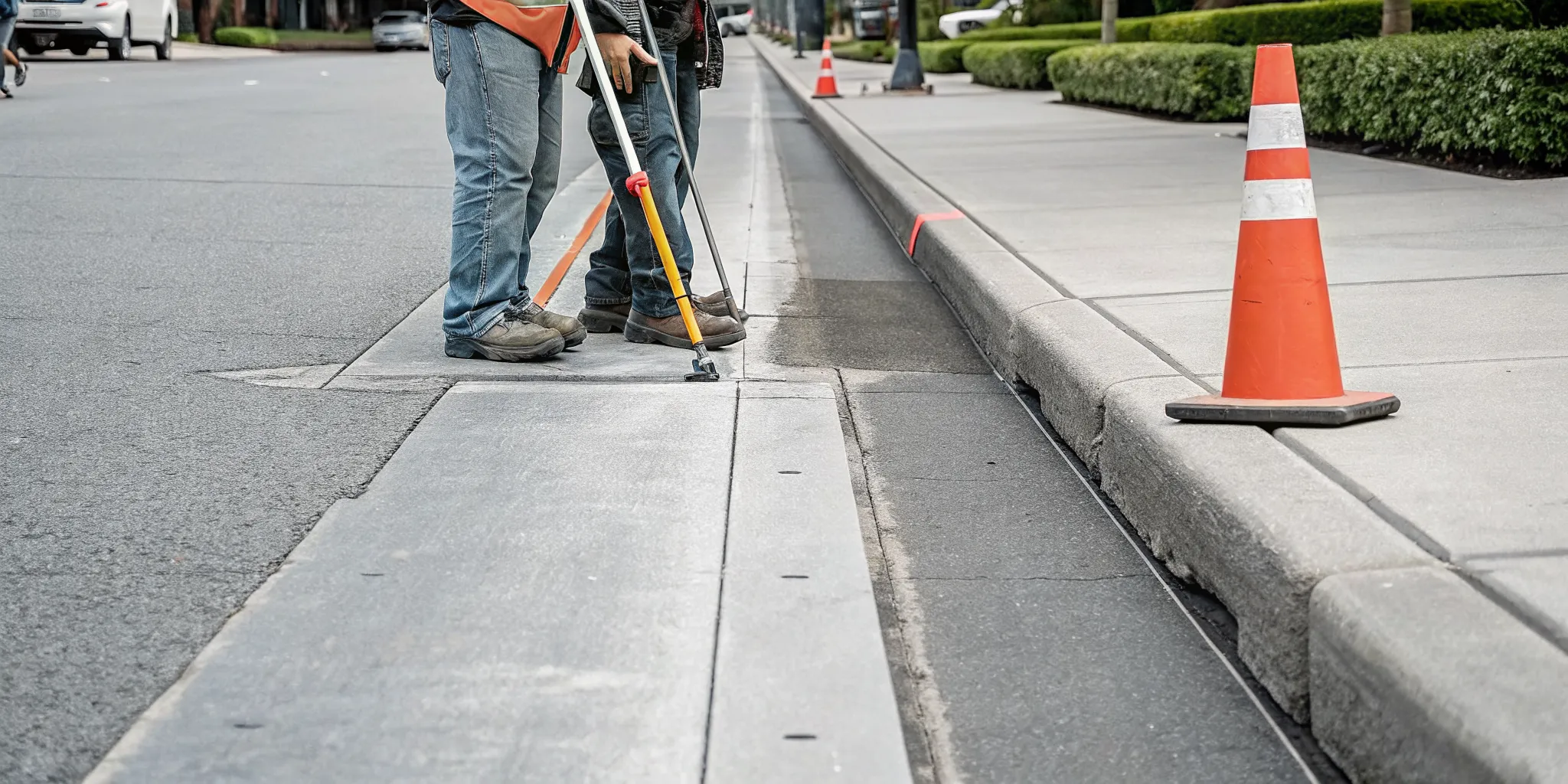
A documented inspection helps owners and municipalities prioritize sidewalk hazards.
What liability and insurance considerations apply?
Property owners and managers often ask who is responsible for sidewalk repair when a trip hazard appears. While local laws vary, the entity that owns or manages the land usually holds the legal duty for sidewalk care. If a person falls on a damaged path, the owner may face big costs. These costs can range from $4,000 to $75,000 per fall based on federal rules for access.
Waiting to fix a known issue can lead to even higher risks. Most insurance plans need policyholders to keep their grounds in good shape. If an owner ignores a clear hazard, the insurer might not cover the claim.
It is wise to talk with your insurance agent or a legal expert about your duty. They can help you understand how local rules apply to your site.
The cost of trip hazards
Trip hazards are more than just a nuisance. Under the Americans with Disabilities Act (ADA), any vertical shift of 1/4 inch or more is a hazard. This rule applies to all public routes in the right of way.
Local building codes also set rules for safety, but they do not replace federal laws. Failing to meet these standards can lead to lawsuits and fines.
Payouts for fall cases can be very high. On average, these cases end in payouts of about $47,500. This amount does not include the cost of legal fees or higher insurance rates.
Dealing with a claim after an injury is often more costly than a simple fix. Fixing hazards now is a smart way to manage your assets and save money.
Why good records matter
When a claim occurs, having good records is vital. You should keep a log that shows you take safety seriously. This log includes photos of the sidewalk before and after you fix it.
It also includes GPS data to show the exact spot of the work. This proof helps you show that you are following safety rules for your paths.
Proper records can help defend against claims in court. A clear log shows that you act fast to remove risks. You should also keep track of when you first saw the hazard and when you finished the fix.
These details prove that you follow a set plan for site care and safety. Good logs are a strong shield against legal trouble.
Routine checks and notice
Regular checks are the best way to find issues before they cause harm. You should walk your paths often to look for shifts or cracks. Once you find a hazard, you must give notice to those who use the path.
Placing a sign or a cone can warn people while you wait for a crew. This step shows that you care about public safety.
Taking fast action is key to keeping people safe. You should not wait for an injury to happen before you start repairs. A quick fix reduces the time that a hazard exists on your land.
This action helps lower your risk of a lawsuit. It also keeps your paths open and safe for everyone who walks on your land.
When should you call a sidewalk repair professional?
Safe sidewalks are a key part of public access. But many people wonder who is responsible for sidewalk repair in their area. State and city groups must keep public paths open for all people. This is a rule under the Americans with Disabilities Act (ADA). When paths are not flat, you must act fast to stop falls and avoid high costs.
Finding serious safety risks
You should call a pro when you find a trip hazard. A hazard is any jump in height of 1/4 inch or more. These small lips on the walk can cause big trips. Fixed checks help you find problems early. This keeps your walks safe for everyone who uses them. You should look for signs like:
Raised edges between concrete slabs.
Cracks that make a bumpy path.
Slabs that have sunk or tilted over time.
Many owners feel that small cracks are not a big deal. But even a tiny edge can lead to a lawsuit. These cases can cost a lot of money per event. A pro helps you fix these spots before they become a legal issue. This shift to early care saves money over time. It is part of your legal responsibility for sidewalk maintenance. Keeping a schedule for repairs shows you care about safety.
Data based sidewalk planning
A pro team does more than just fix the walk. They use tools like GPS to track every repair. This creates a clear map of your walk system. You can see which parts need help the most. This data helps you plan your work. It also proves that you are doing your job to keep things safe. When you have a list of all hazards, you can fix the worst ones first.
Good records are vital for legal defense. A pro provides photos of the work and ADA forms. These files show that your paths meet federal rules. If someone gets hurt, you have the proof you need to defend your work. This audit trail is a shield for any manager or city group. It turns your repair tasks into a solid defense plan. You can show exactly when and where you took action to fix a path.
Keeping concrete with clean cuts
You do not always need to tear out and replace the slab. This can be slow and very pricey. Clean slicing is a better way to fix trip hazards. This process cuts away the raised edge to make a smooth ramp. It keeps the sound concrete that is already there. This means less waste and a faster finish for your project. You can save a lot of money by choosing this path over new concrete.
The best pros reach a 1:12 slope. This is much gentler than the 1:8 slope that federal rules allow. This smooth grade makes the walk easy for people in chairs to use. By choosing a sliced cut over a rough look, you get a clean finish. The result is a path that stays strong for years to come. Slicing does not leave the marks that some other tools do. It leaves a safe surface that looks great and lasts long.
How can you build a proactive sidewalk maintenance program?
Knowing who is responsible for sidewalk repair is only the first step. To keep your paths safe, you need a clear plan. A steady care program helps you find and fix trip hazards before they cause a fall. It also shows that you are taking care of your legal duties. Moving from quick fixes to a set plan saves time and money over the long term. This way of working turns sidewalk care into a planned task instead of an urgent cost.
An active program lets you manage your budget better. You can plan for repairs instead of reacting to accidents. This keeps your area safe and lowers the chance of a law suit. Local codes often set the rules, but federal laws also apply. You should look at the ADA rules for local governments to see how to stay in line with federal standards.
Create a digital sidewalk list
A good program starts with a list of what you own. Use a digital tool to track every foot of your walk. GIS tools can map your whole city or campus. This map lets you see where old slabs are. It can also show where tree roots might lift the concrete. It creates a full record of your walks that you can update every year. This list is your base for all future work.
Digital records make it easy to see the whole view. You can track when a slab was last checked and who did the work. This clear record is very helpful if you need to show your work in court. You can find out more about legal responsibility for sidewalk maintenance to see why this matters. Keeping good records helps protect you from risk and makes your work more open.
Inspect and rank hazards
You must check your walks often for trip hazards. Any vertical lift of 1/4 inch or more is a risk. Federal rules under the ADA state that public paths must be open to all. You can read more about ADA sidewalk standards to see what the law requires. Not all hazards are the same. You should fix the high-traffic areas first to help the most people.
Look for gaps, cracks, and uneven edges during your walk. When you find a hazard, mark its spot with GPS. This helps your crew find it fast. You do not always need to tear out and replace the whole slab. Our precision concrete slicing service can fix many issues quickly. This method is much faster than old ways. It keeps the path open for use and is 100% ADA compliant. Our trip hazard removal service uses a clean cut to make the path smooth again.
Record and check repairs
Fixing the hazard is not the final step. You must record the repair to show it meets the law. This means taking before and after photos of the work. You should also note the date, the spot, and the final slope. A 1:12 slope is a great goal. It is 33% gentler than the federal limit and very easy for wheel chairs to use. This data creates a clear trail that can help in a legal case.
After the work is done, have a manager check it. Make sure that the trip hazard is gone and the walk is safe. By following these steps, you build a strong safety record. This way of working helps you budget for sidewalk repairs well. It keeps your people safe and your costs low over the years. A good plan keeps your walks safe for everyone who uses them.
Request a documented sidewalk assessment before hazards become claims
Frequently Asked Questions
Who is responsible for sidewalk repair in front of my house?
In many towns, the person who owns the land must fix the sidewalk next to their home. While the city often owns the public path, local laws may shift the duty to keep it safe onto you. Experts at Safe Sidewalks say any lift of 1/4 inch or more is a trip hazard. If you do not fix these cracks or bumps, you could be held at fault for falls.
Do I own the sidewalk in front of my house?
Usually, you do not own the sidewalk. It sits on a public part of the land called an easement. But even if you do not own it, the law may say you must keep it safe. This means you must fix trip hazards like cracks or gaps. Under the ADA, public groups must make sure paths are safe for everyone. Check with your city hall to see who must take care of the path in your area.
Who is responsible for HOA sidewalk repairs?
For homes in a managed area, the Homeowners Association usually handles the care of common areas. This includes the sidewalks that run through the area. The board must ensure these paths meet federal rules to avoid costly legal trials. Not fixing these risks can lead to high fines and court cases. Groups should act fast to remove risks and protect their money and neighbors. You can learn more about liability on the Safe Sidewalks site.
What if utility companies cause sidewalk damage?
When a utility firm digs up the ground for pipes or wires, they are often the ones who must fix any damage. They have a duty to return the path to a safe state once their work is done. However, this process can take a long time to start. If the site stays unsafe, the city or owner might still face risks. You should report the damage to the firm and your local city office right away to get it fixed.
Are you ready to request a sidewalk assessment?
Managing your sidewalk safety is a key part of protecting your group from trip and fall risks. Leaving uneven paths on your property creates a danger that can lead to high-cost injury claims. These legal fees can drain your yearly budget if you do not act to fix hazards now. You can book your free sidewalk check today to find every issue before a bad accident occurs. This helps you avoid the high price of sudden repairs while keeping your site safe. Our team will give you a clear plan to follow all ADA rules using our precise slicing process. This step ensures your sidewalks stay open and safe for every person who walks on your property.
Ready to request a sidewalk assessment? Call (801) 373.6060 to request your inspection.


Comments